
UN Special Rapporteur: Taliban Have Systematically Restricted Freedom of Expression.
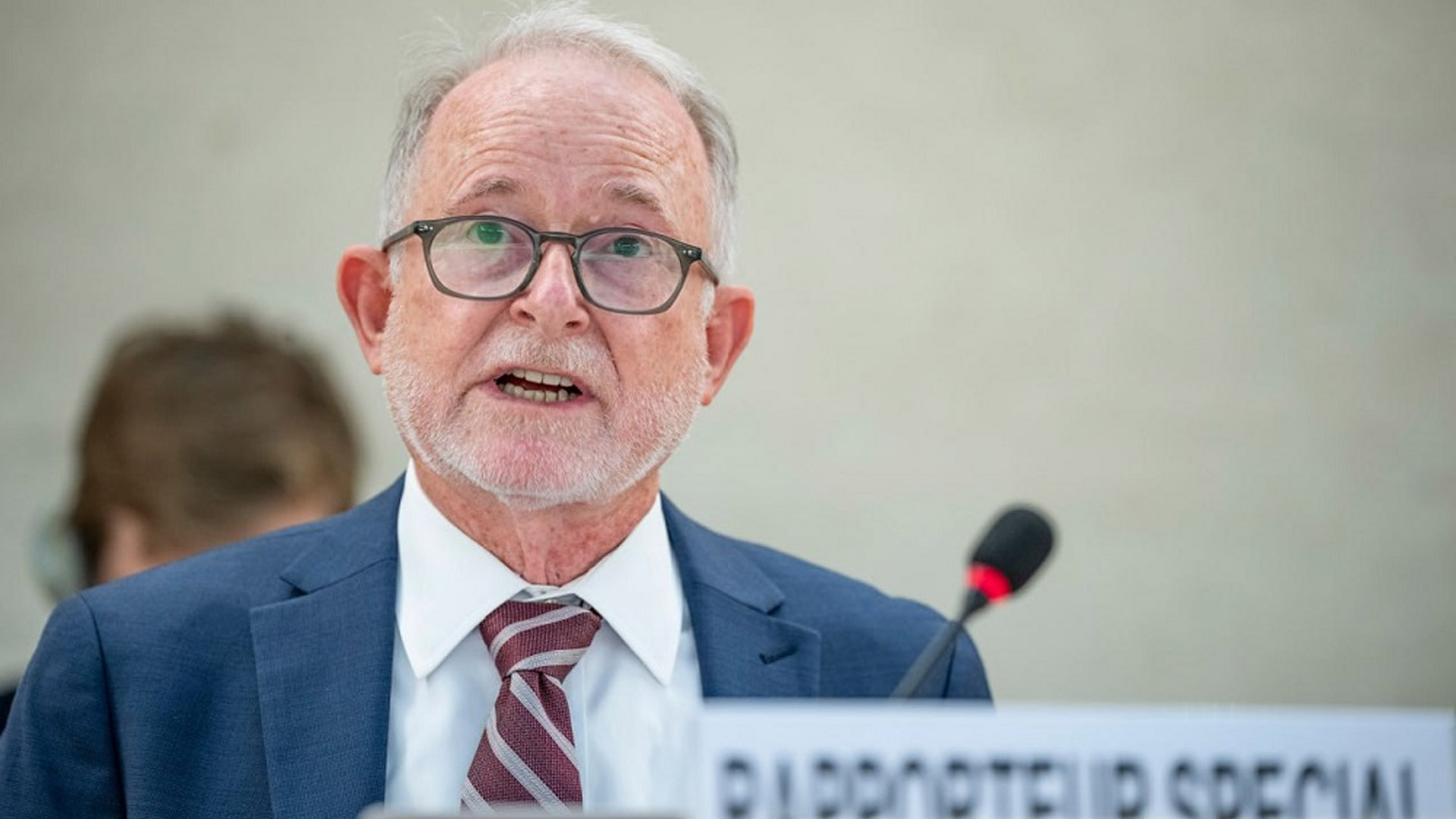
Richard Bennett, the UN Human Rights Council’s Special Rapporteur for Afghanistan, stated at the Global Symposium on Freedom of Expression that freedom of speech and civic space in Afghanistan under Taliban rule are facing systematic and targeted restrictions.
He stressed that journalists and media workers continue to face censorship, threats, intimidation, arbitrary arrests, and confiscation of materials. Women journalists, he noted, face even greater barriers due to severe restrictions on movement and the right to work.
According to Bennett, the Taliban require media outlets to obtain approval for their content and oblige political analysts to acquire special ID cards, effectively banning expression of views that contradict Taliban policies. He added that the Taliban have expanded their control over cultural and artistic activities, even requiring prior approval for poetry events.
The gradual banning of publishing images of living beings has also forced many media outlets to shift toward audio-only formats. Bennett described these measures as part of a broader effort to silence independent thought and restrict civic space.
At the same event, Nasir Ahmad Andisheh, Afghanistan’s ambassador to Switzerland, called independent media “the last line of defense against the Taliban” and said that exile-based media provide 70% of independent coverage of developments in Afghanistan.
He emphasized that these outlets play a crucial role in documenting events, uncovering the truth, and pursuing justice, though they face significant financial challenges. Organizers of the symposium stated that more than 550 violations of media rights and 25 restrictive orders have been recorded in Afghanistan over the past four years.