
Identity and Power Struggle; From the Tajik Pakol to the Kandahari Hat, Not Even Fasihuddin’s Close Allies Are Immune.
Sources familiar with the situation report that discriminatory practices within the current Taliban structure, particularly against non-Pashtun personnel, have led to growing discontent.
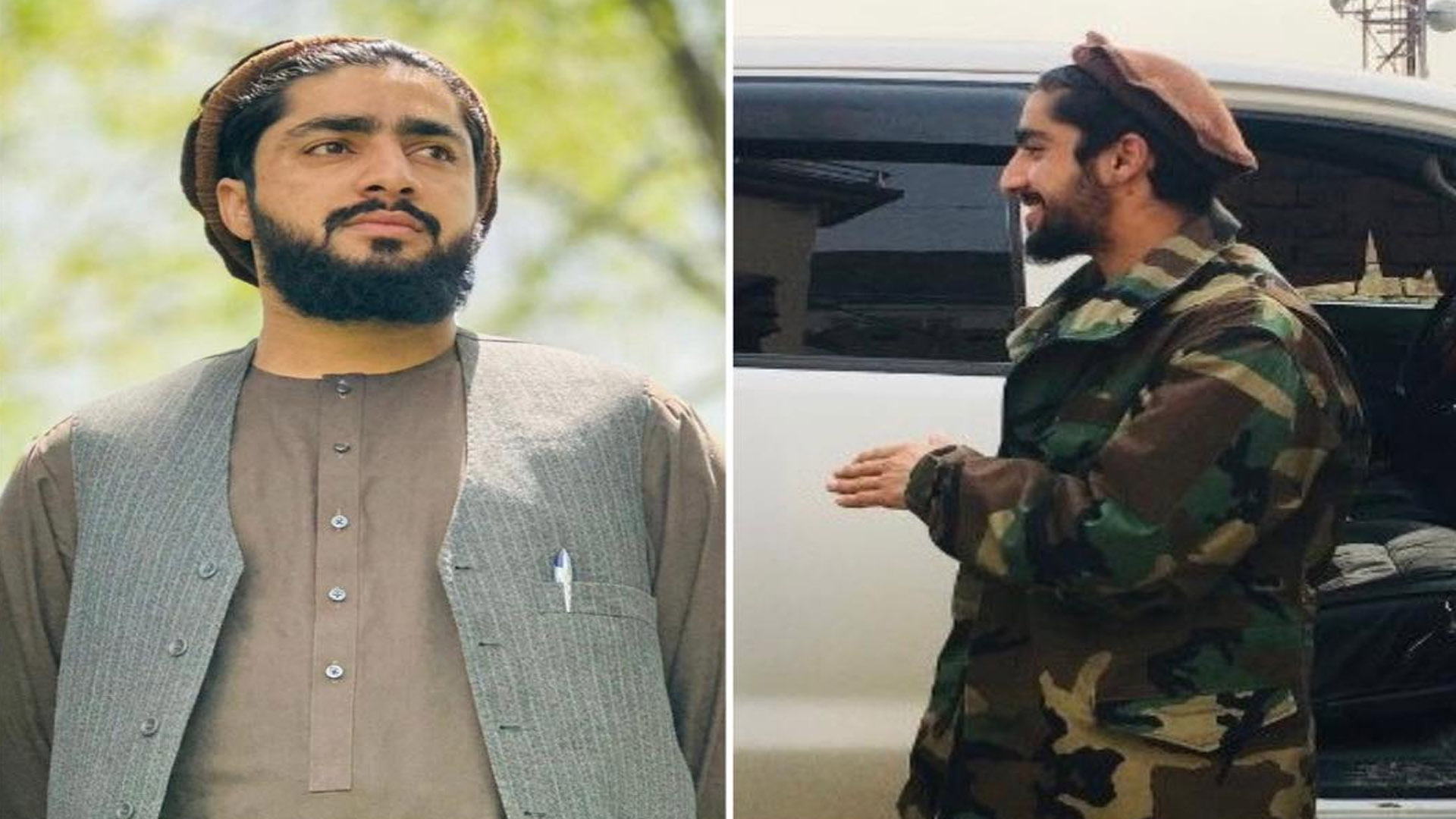
According to these sources, the dismissal and uncertain status of Dr. Javed Ahmad Wafi, a health services officer at the 400-Bed Sardar Dawood Khan Hospital, due to his choice of headgear, exemplifies the use of symbolic and identity-based criteria in administrative decisions.
These criteria have not spared even close associates of senior figures like Qari Fasihuddin Fatrat from their consequences.
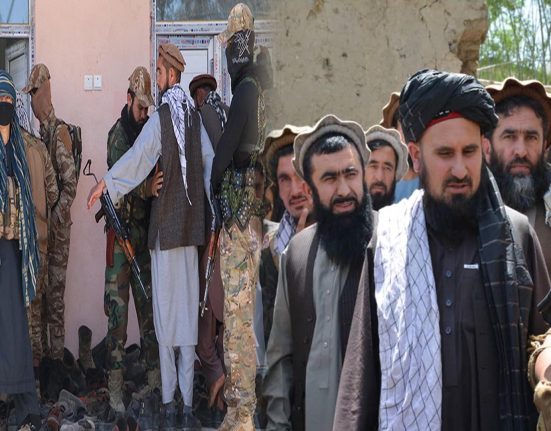
Reports indicate that the “Kandahari hat” has, in recent months, transcended its local attire status and become a symbol of political loyalty, while other identity markers, including the Pakol, face scrutiny and restrictions.
Critics argue that this approach has deepened ethnic and organizational divides and increased feelings of humiliation and injustice among local northeastern forces, particularly Tajiks, who, according to sources, played a significant role in consolidating Taliban rule but have not received commensurate recognition or rewards.
Sources further warn that continuing this trend could have political and security repercussions. They suggest that some Tajik Taliban, weary of ethnic favoritism and Pashtun dominance, are distancing themselves from the formal structure and seeking alternative paths a development observers interpret as a protest tendency and potential alignment with opposition groups.
Analyses emphasize that neglecting identity and organizational demands poses a serious challenge to the internal cohesion of the Taliban.