
Continued Moral Scandals Within Taliban Ranks.
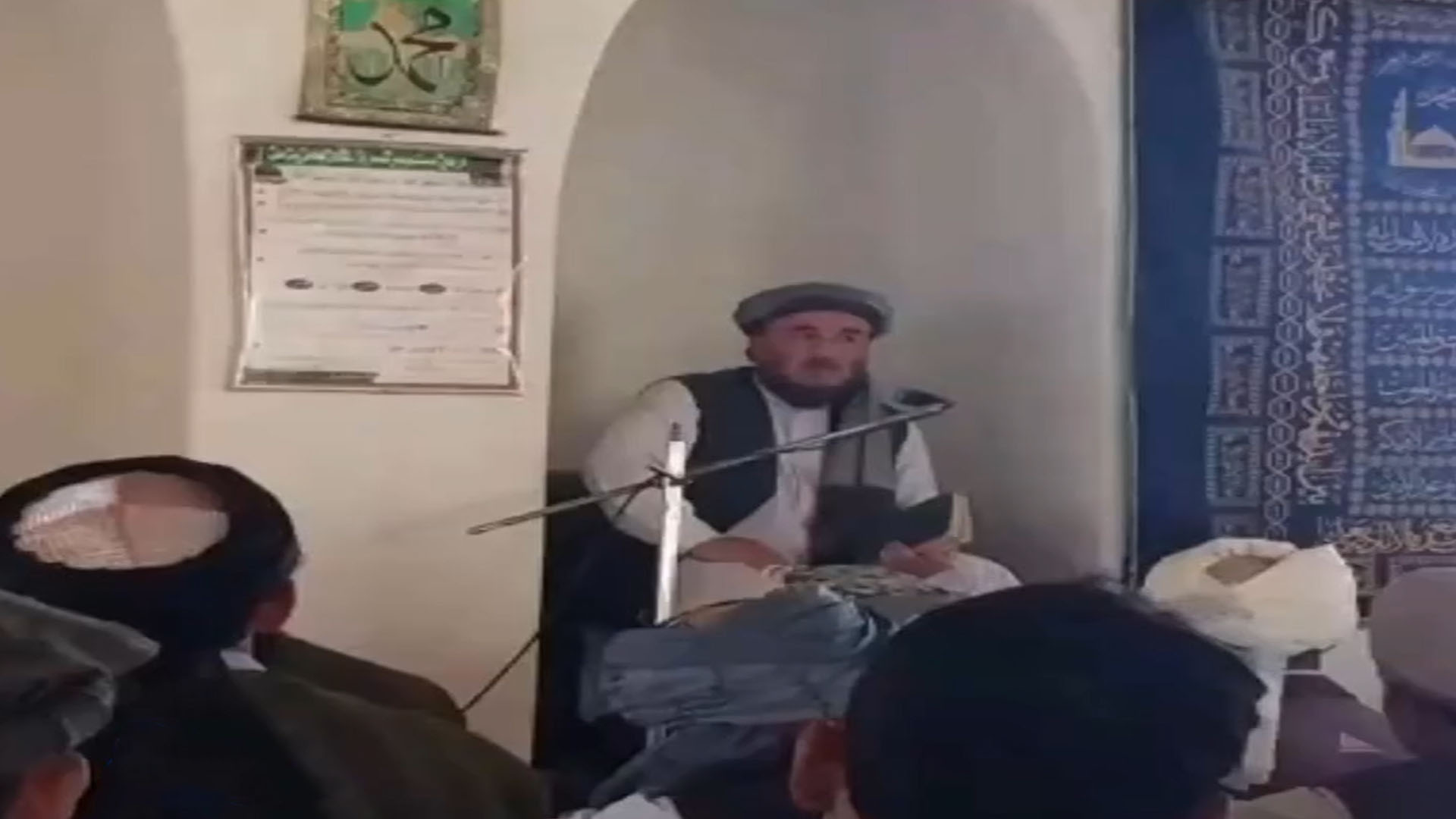
Local sources in Takhar Province report the circulation of an audio recording attributed to Mawlawi Ahmadullah Ahmadi, a Taliban religious instructor at a Dar al-Ulum in Chah Ab District, in which an inappropriate conversation between him and a woman can be heard.
The approximately five-minute audio recording reportedly includes discussion of a private relationship and a planned meeting. Mawlawi Ahmadi is known as a teacher of Quranic exegesis and Hadith.
He previously served as a member of the Takhar Provincial Council during its first term but failed to secure a seat in the 2018 parliamentary elections.
He has a background linked to Hezb-e Islami and is currently considered a strong supporter of the Taliban.
Religious observers have expressed concern over the recurrence of such cases, stating that the double standards of some clerics have caused serious damage to the social credibility of religion and the religious establishment.
They note that while some clerics emphasize piety, Sharia, and morality from the pulpit, the of such reports and recordings reveals a significant gap between rhetoric and conduct fueling growing public distrust toward the clergy and the Taliban’s official interpretation of religion.
This development follows earlier reports of moral misconduct involving individuals affiliated with the Taliban.
In recent days, sources from Warsaj District of Takhar reported unethical behavior by a Taliban judge who, according to local sources, was released without judicial follow-up.
Additionally, in Faryab Province, reports emerged of several Taliban officials being identified and temporarily detained by local residents during an illegal late-night gathering;
the incident reportedly ended without judicial proceedings following intervention by armed Taliban members.
Observers say the lack of accountability and the selective enforcement of punishments reflect the absence of genuine justice under Taliban rule.
Public punishments such as flogging and executions, they argue, appear largely performative rather than aimed at achieving religious or humane justice.