

Taliban and the Policy of Buying Religious Pulpits: Clerics’ Salaries Increased, Public Discontent Remains.
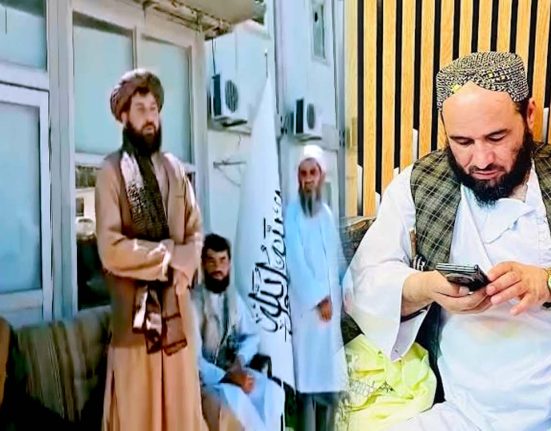
Local sources report that salaries of preachers, official mosque imams, and employees of the Taliban’s Ministry of Promotion of Virtue, Hajj, and Religious Affairs in districts have increased.
According to these sources, the salaries of mosque preachers and imams, previously ranging between 9,000 to 9,500 Afghanis, have now risen by 3,000 Afghanis.
The salaries of ministry employees, who previously earned around 7,000 Afghanis, have been increased by 4,000 Afghanis.
The Taliban’s Ministry of Promotion of Virtue, Hajj, and Religious Affairs has appointed approximately 5,500 official imams in mosques across the country and employs 420 staff at the district level.
Religious analysts say this move comes at a time when the Taliban face weakening legitimacy both in terms of religious authority and public support.
They are reportedly attempting to secure the loyalty of preachers and mosque imams through financial incentives, using religious platforms especially Friday sermons to promote the Taliban regime and its leader.
Analysts warn that a segment of society, particularly elderly and less-educated individuals, are more vulnerable to official religious narratives, which some clerics exploit for personal or financial gain a practice that carries serious moral and religious accountability.
Meanwhile, no salary increases have been granted to civil servants, doctors, schoolteachers, or university professors.
Observers note that the Taliban are aware of their limited social base among the academic community, and with growing economic pressures, widespread unemployment, and the deprivation of basic rights for women and girls, public dissatisfaction is rising.
In this context, and given regional developments, particularly in neighboring western countries, the Taliban are reportedly attempting to strengthen religious propaganda networks to mitigate the fragility of a government unable to tolerate meaningful criticism.