
Taliban Meeting in Takhar: Claims of Defending National Integrity Amid Repression and Discrimination.
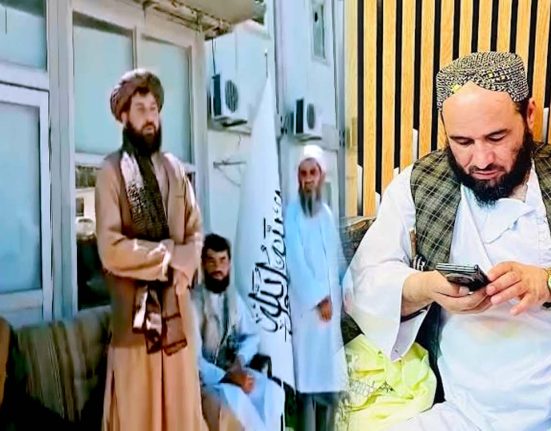
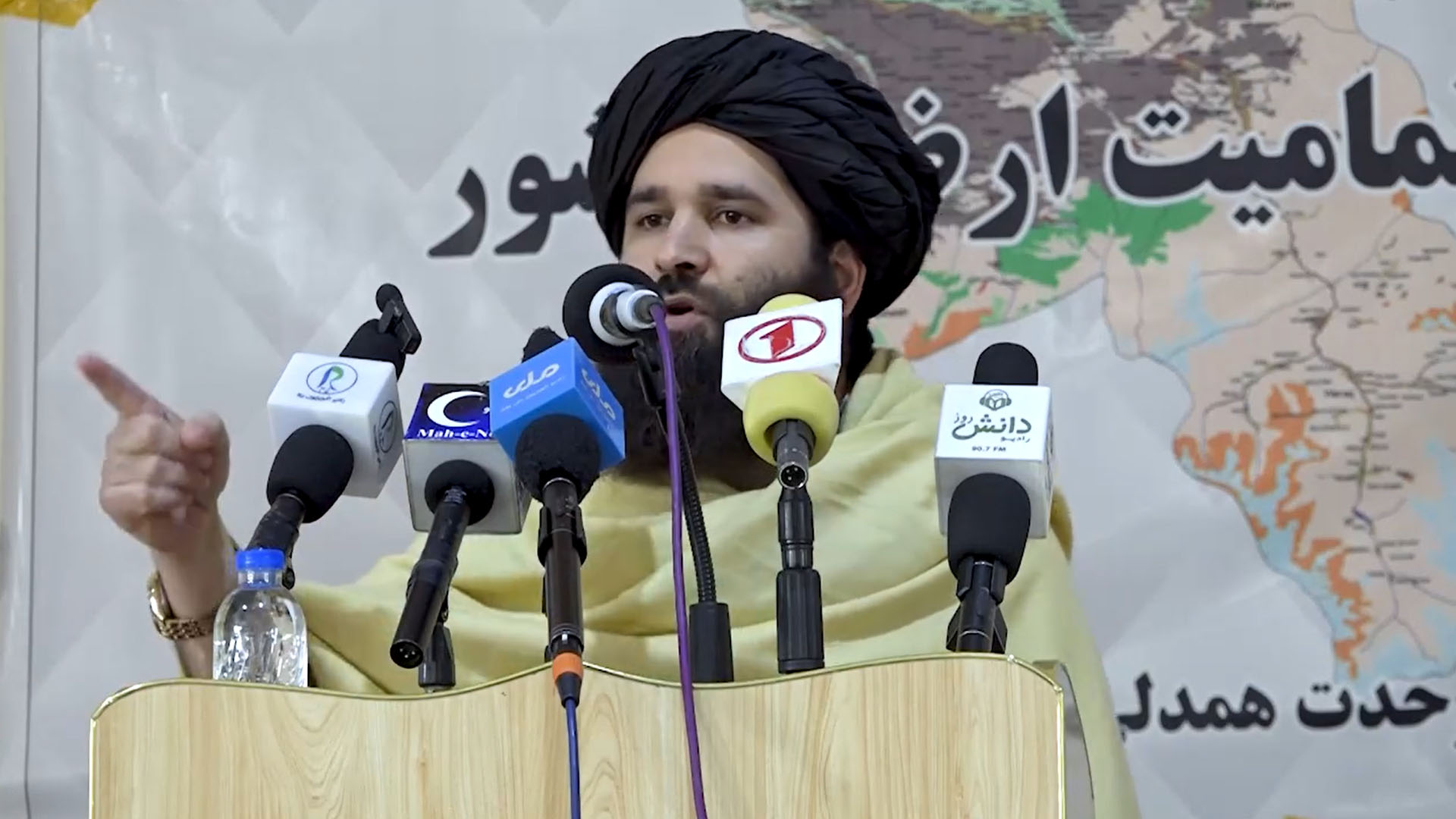
Following recent controversies surrounding the Chah-Ab protests, the Taliban held a meeting in Takhar province titled “Strengthening the Islamic System and Defending Territorial Integrity.”
During this gathering, the group sought to defend its performance and governance while presenting its own narrative of Afghanistan’s past and present.
Speakers at the meeting claimed that the Taliban emerged at a time when, according to them, five separate governments existed in Kabul.
They argued that the group’s main goal was to achieve “national unity” and save Afghanistan from fragmentation.
The Taliban also criticized Pakistan, accusing it, alongside the United States, of undermining their movement in the past.
They emphasized that over the past twenty years, they had fought within Afghanistan against NATO, Russia, China, and neighboring countries portraying themselves as being in a “battle against the entire world.”
However, since regaining power, the Taliban have adopted a markedly different approach.
Warm relations with China and Russia, close interactions with Iran and Uzbekistan, and efforts to secure international recognition indicate that the group’s current priority is maintaining power and consolidating its rule even when these policies contradict their previous rhetoric.
The history of Taliban governance paints a starkly different picture. During their first regime, the group committed widespread atrocities affecting all ethnic communities in Afghanistan, leading to public celebrations across the country upon their fall.
Yet in their second tenure, the Taliban have resumed systematic repression.
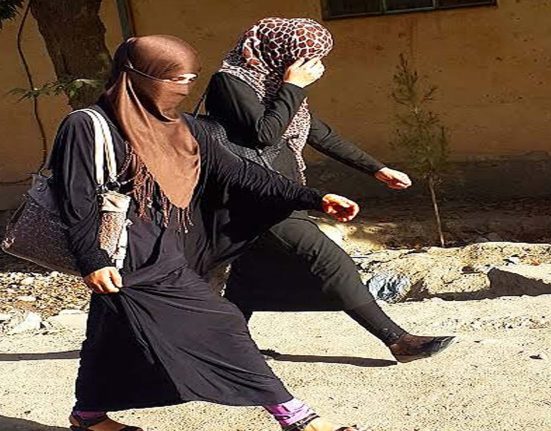
Critics note that oppression and discrimination continue, particularly against women, who constitute half of Afghan society and remain deprived of basic rights, including education, employment, and personal freedom.
Additionally, the Taliban have marginalized Dari and Uzbek languages spoken by the majority of citizens within government structures.
Key decision-making positions remain overwhelmingly controlled by Pashtun Taliban, while officials from other ethnic groups hold no real power and lack the ability to defend their fundamental rights.
Observers argue that Pashtun Taliban now exercise near-complete control over Afghanistan’s resources, mines, and lands, extensively violating the rights of non-Pashtun populations.
Reports indicate that in Dari- and Uzbek-speaking provinces, lands have been confiscated either by force or through government mechanisms, whereas such practices in Pashtun-majority areas are minimal.
Critics attribute this situation to a mindset that views Afghanistan as the “exclusive inheritance” of a single ethnic group.
This perspective has resulted in concentrated power, structural inequality, and widespread suppression of non-Pashtun communities, deepening social and ethnic divides across the country.