
Claim of divine approval for Taliban rule amid “slave” references in official documents.
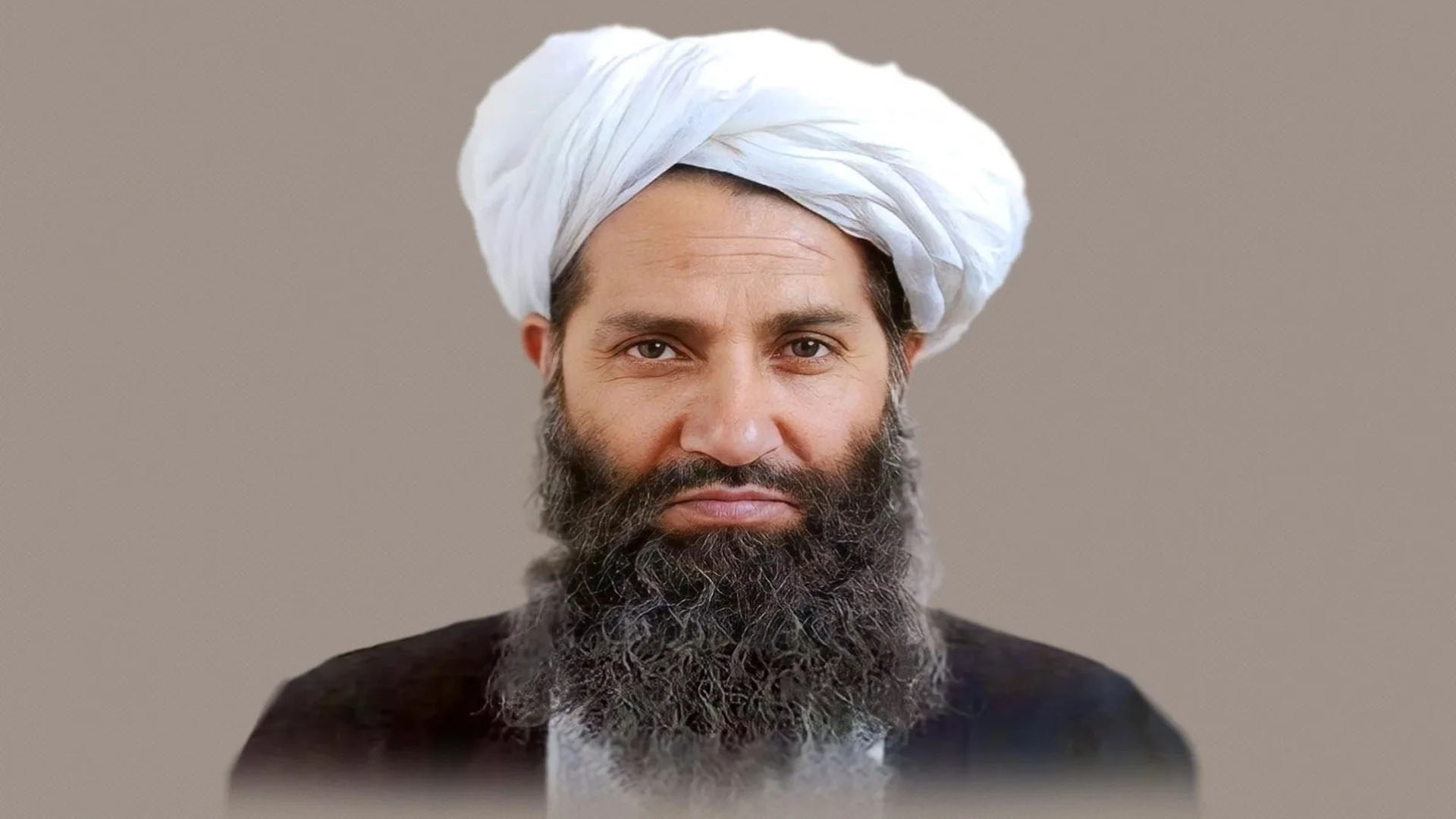
Mullah Hibatullah Akhundzada, leader of the Taliban, recently stated that supporting the Taliban government “brings honor in this world and the hereafter” and that this system reflects “God’s approval” and benefits the people.
At the same time, civil activists and citizens cite the Taliban’s “Criminal Code of Courts” (Principles of the Taliban Judiciary), which defines citizens effectively as slaves (“ghulam”) obligated to obey and support the regime—a concept critics argue violates basic human rights and dignity.
The Taliban leader further described support for the regime not only as a religious duty but also as a path to salvation and success, insisting that the system’s legitimacy is based on Sharia and that opposition is religiously unjustifiable.
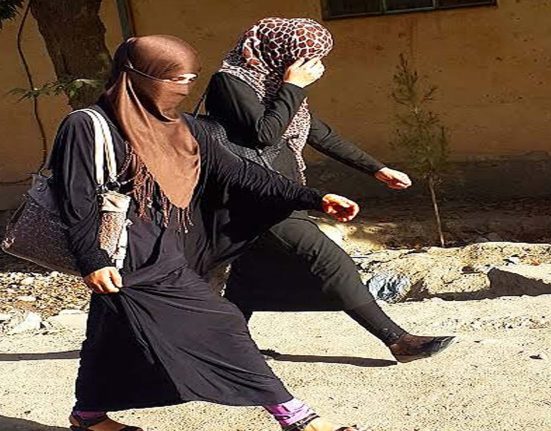
These statements come amid widespread public criticism over social restrictions, the exclusion of women from education and work, economic crisis, widespread poverty and unemployment, lack of political participation, concentrated power, absence of accountability mechanisms, and suppression of dissenting views.
Taliban leaders, however, dismiss these criticisms as “enemy propaganda” or the result of misunderstanding their religious perspective.