
Former Afghan Military Officer Killed in Norway; Taliban “Prime Suspect” in New Case.
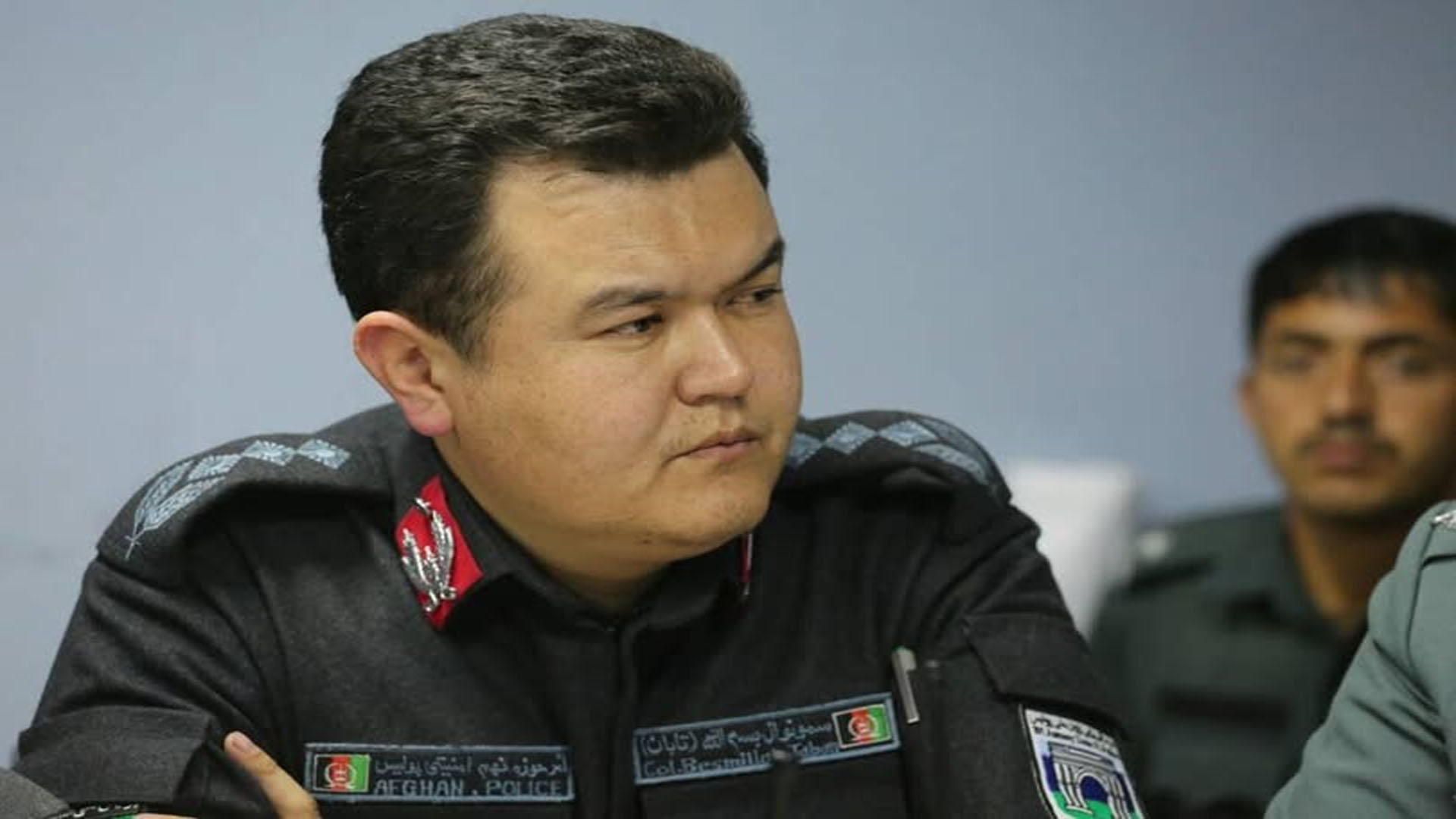
Bismillah Taban, a former Afghan Ministry of Interior official, reacted to the killing of a former Afghan Special Forces officer in Norway by naming the Taliban as the “prime suspect” in this case, citing evidence that cannot be ignored.
He emphasized that the officer was from Logar Province and served in a unit that, according to him, “had deprived the Taliban, especially in Logar and around Kabul, of sleep.”
Taban also noted that the Taliban representative in Norway is from Logar, describing this timing as noteworthy and claiming that both victims—husband and wife—were members of special units and were targeted by a masked individual.
Despite these claims, Norwegian security authorities have not officially released details regarding the motive or perpetrators of the attack.
This incident did not occur in a vacuum. In recent months, several former Afghan military personnel abroad—particularly in Iran—have been killed in targeted and mysterious circumstances;
killings that have caused waves of concern among military expatriates. The assassination of Rahmullah Mujahid, former commander of Unit 737 in Tehran, General Ikramuddin Sari, Mohammad Amin Almas, and Marouf Gholami in Mashhad, are only part of this list.
Although the Taliban have denied all allegations, the recurrence of similar patterns across several countries has amplified doubts.
Meanwhile, sources in Kabul report the existence of a special unit within the Taliban’s intelligence directorate tasked with “eliminating opponents” both inside and outside Afghanistan;
a claim which, if proven, would elevate the matter beyond a criminal case to a cross-border organized operation.
The Taliban have rejected these reports, yet the simultaneous assassinations and targeting of specific military figures have created a complex and alarming case, for which a definitive answer remains unclear.