
Divergent Views: Taliban and Former Afghan Officials Respond to Asif.
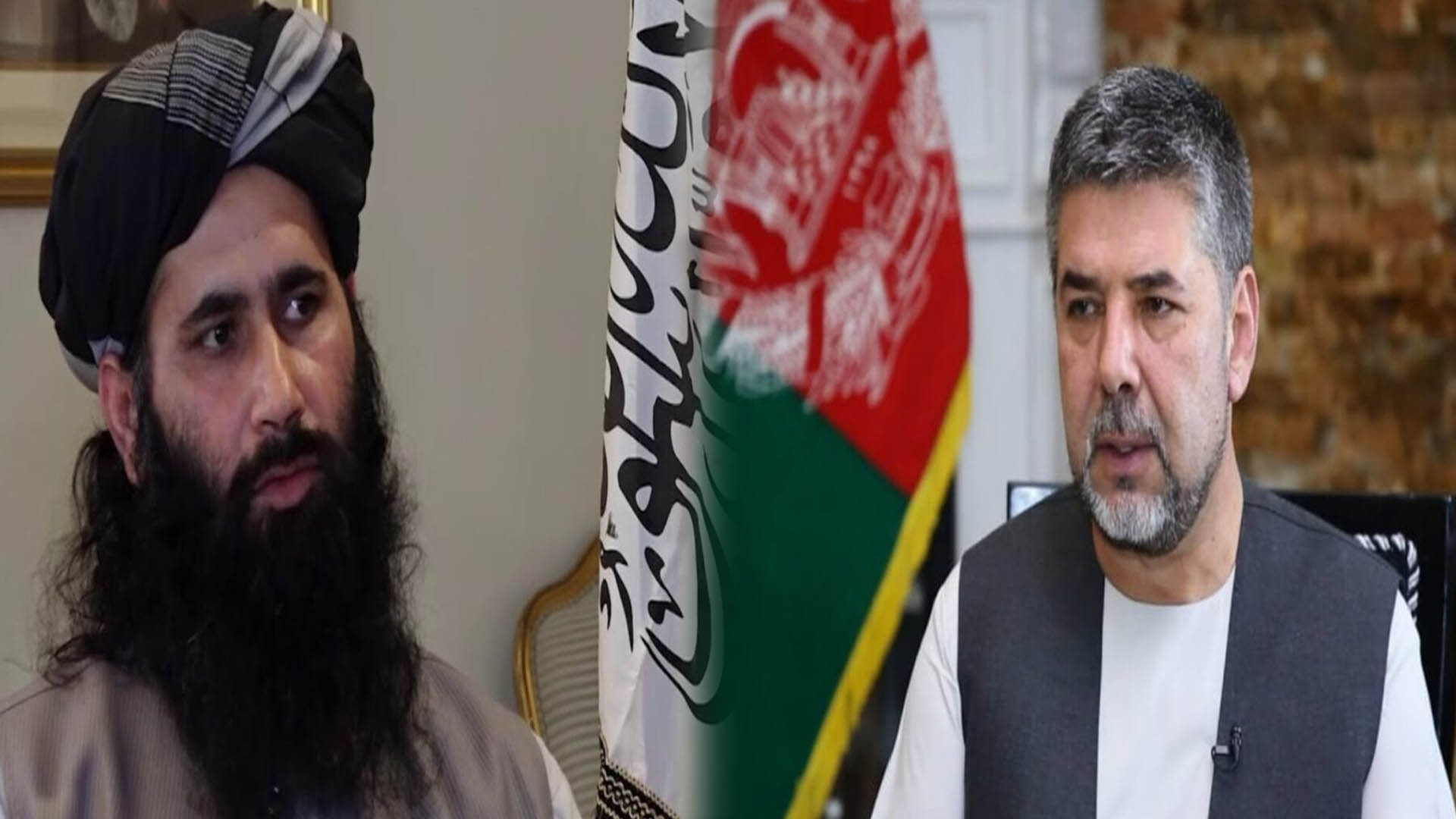
Mohammad Naeem Wardak, Administrative and Financial Deputy of the Taliban Foreign Ministry, responded to Khawaja Asif’s recent statements, noting that while controversial in media circles, these remarks are “not unexpected” for the Taliban.
Asif had described the Afghan wars as “political and proxy,” claiming Islamabad had been involved to serve the interests of major powers.
Wardak added that the Taliban had previously been vigilant regarding what they called Pakistan’s “negative military policies and strategies,” emphasizing that these remarks do not change past realities but reflect “failed conspiracies, political despair, and internal disputes” in Pakistan.
Meanwhile, Rahmatullah Nabil, former head of Afghan National Security, called Asif’s statements contradictory and unreliable, warning against full trust in them.
Nabil noted that Asif had described the Afghan wars as “political and rented,” previously citing the U.S. as a source of power, and asked: if everything was political, what justified the use of religious and jihadi slogans? And if the religious belief was genuine, why has everything now been reduced to “political mistakes”?
He also rejected the minister’s claim about the “non-occupying” nature of the Soviet presence, emphasizing that the Afghan people experienced it through devastation, mass migration, and thousands of casualties.
Nabil added that Islamabad has not been a war victim but an active actor, using ideology, religious slogans, and jihad over the years to advance its political goals.
Referring to changes in the education system and the formation of today’s military leaders in Pakistan, he stressed that key figures, including General Asim Munir, emerged from the same intellectual structure of the Zia-ul-Haq and Akhtar Abdul Rehman era.
Nabil concluded that Pakistan has been running a “regional ideological and proxy project” from the start, not a country with an authentic national narrative—remarks reflecting former Afghan officials’ critical view of Islamabad’s historical role in decades of war.