
Renewal of Allegiance to Preserve Salary and Position; Controversial Gathering in Kandahar.
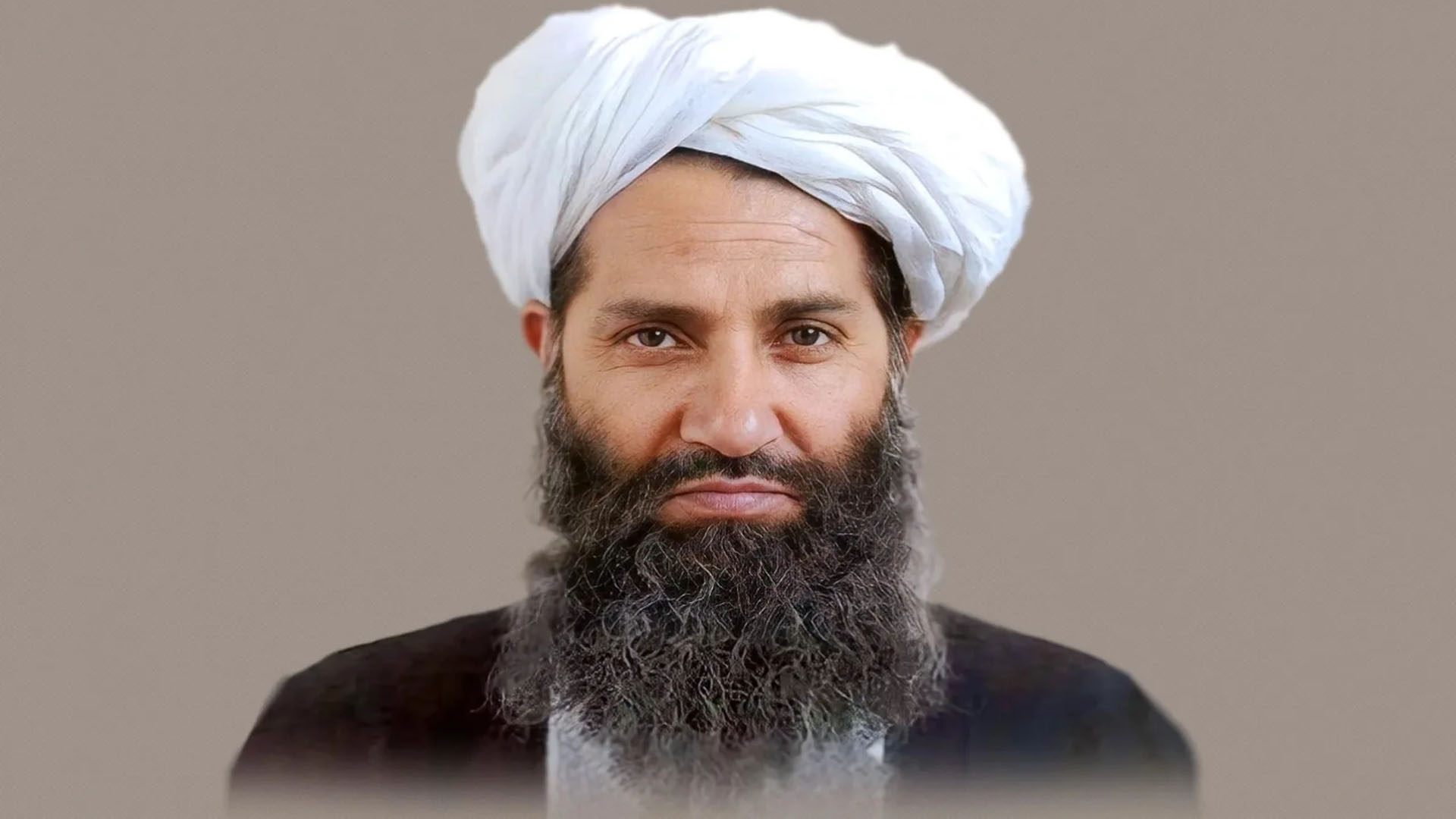
In an official meeting held in Kandahar Province, several religious scholars and local officials renewed their allegiance to Hibatullah Akhundzada. According to local sources, the move was aimed at safeguarding their official positions and substantial salaries within the Taliban’s governing structure.
The gathering took place in the provincial headquarters’ conference hall and was attended by the Kandahar governor, officials from the Administrative Office, members of the Supreme Court, and representatives of religious institutions.
During the meeting, the Taliban leader described religious scholars as “leaders of the (Ummah) in religious matters” and stressed their role in consolidating and strengthening what he called the “Islamic system.” He identified the expansion of religious education as essential for the survival of the system and urged scholars and officials to carry out their duties with seriousness and avoid internal (division).
At the conclusion of the ceremony, participants reaffirmed their loyalty to the Taliban leader, emphasizing full obedience and alignment with the central leadership.
The renewed pledge comes as the Taliban’s administrative structure is widely viewed as being founded on loyalty to the central leadership, with the continuation of official responsibilities reportedly contingent upon full compliance with policies declared by the group’s leader.
Over the past more than four years, Taliban policies and performance have faced extensive domestic and international criticism. Severe social restrictions, security pressures, and the reduction of civil liberties have, according to critics, widened the gap between the authorities and segments of society and expanded underlying discontent.
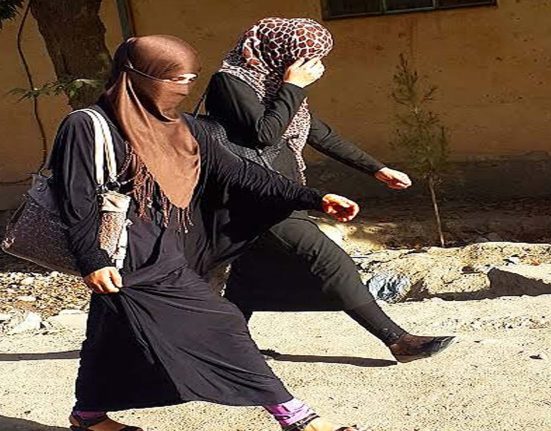
In particular, the situation of women in Afghanistan has remained a central focus of criticism. The widespread deprivation of girls and women from secondary and higher education, restrictions on employment, and heavy limitations on their social participation have triggered broad international reactions.