
Divergence of Views Between Mullah Yaqub and Taliban Leadership Over Mullah Mazloom.
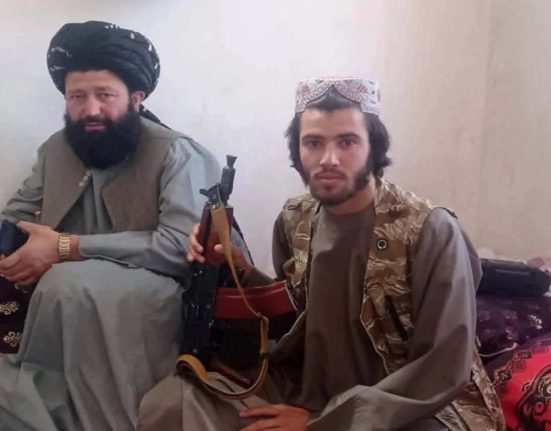
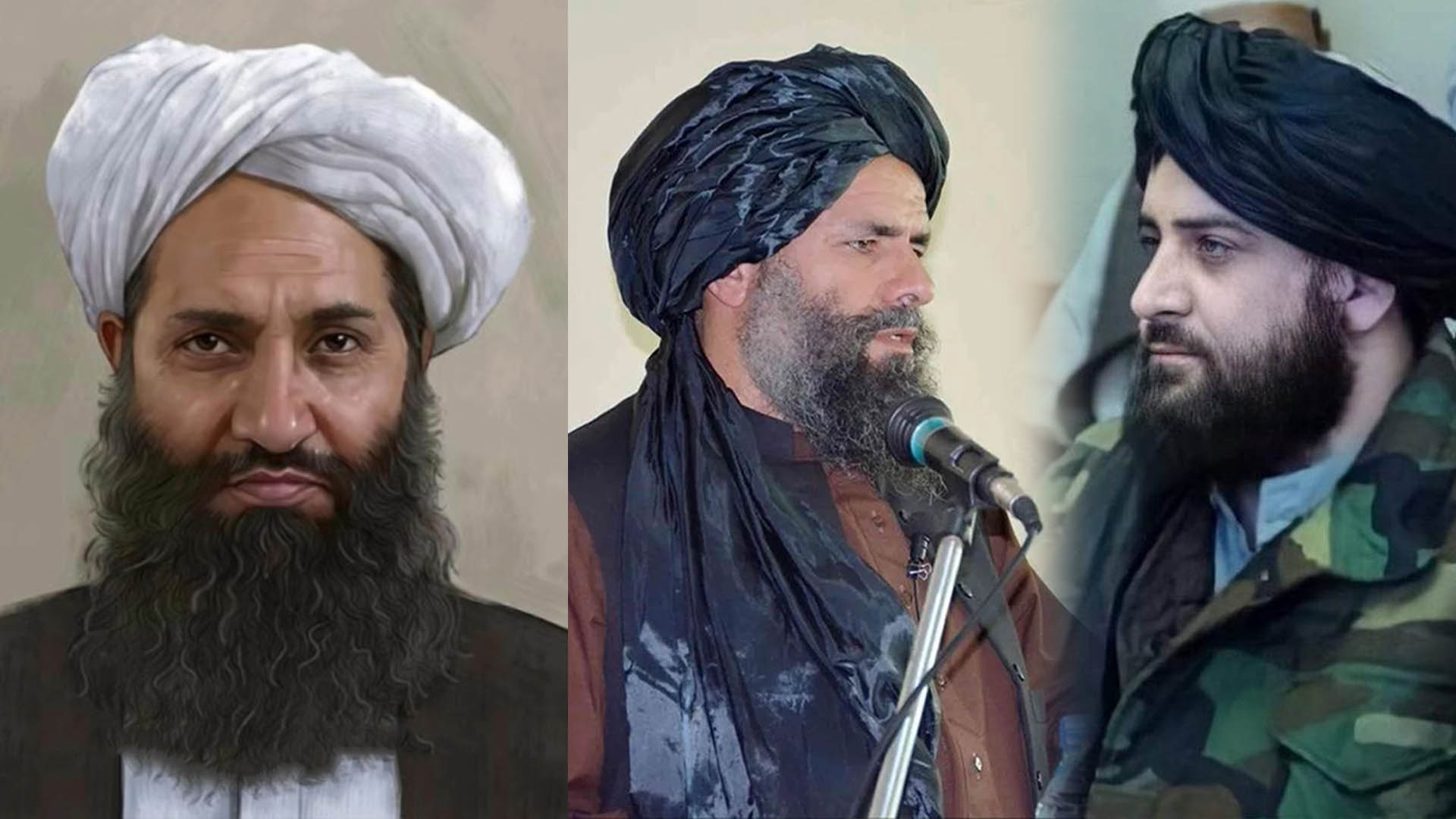
Mullah Fazel Mazloom, the former Deputy Minister of Defense of the Taliban, has been removed from his position and transferred to the Ministry of Transport due to deep disagreements between Mullah Yaqub, the Taliban Defense Minister, and the group’s leader, Hibatullah Akhundzada.
Internal Taliban sources told the Iranian news agency IRNA that Mullah Yaqub revoked all of Mazloom’s executive powers, effectively reducing him to a symbolic position without real authority in the Ministry of Defense. This move highlights the divergent views and power struggles at the top of the group. Sources further note that even Mazloom’s close aides were under direct control of Mullah Yaqub, handling daily ministry operations—a clear indication of the depth of the internal conflict and the significant reduction of the influence of this well-known Taliban commander.
These internal disputes not only involved Mazloom and Mullah Yaqub but also included clashes with Qari Fasihuddin, the Chief of Staff of the Defense Ministry. Mazloom, who played a key role during the northern campaigns and the first Taliban regime and was widely considered a potential candidate for Defense Minister, now remains only a ceremonial figure under internal pressures and with severely restricted powers.
Looking at Mazloom’s background, it is evident that he has a long history within the Taliban ranks: he was captured by Abdul Rashid Dostum’s forces in 2001, handed over to the Americans, and detained for over 13 years at Guantanamo before being released in 2014. Analysts say that the divergent views between the Defense Minister and the Taliban leader regarding Mazloom’s role and position expose part of the leadership and internal management crisis within the Taliban. Despite efforts to maintain the appearance of unity, these hidden power struggles, nepotistic appointments, and the marginalization of former commanders reveal the leadership structure’s vulnerability to serious internal challenges.