
Death of Iran’s Leader Confirmed; Constitutional Succession Mechanism Activated.
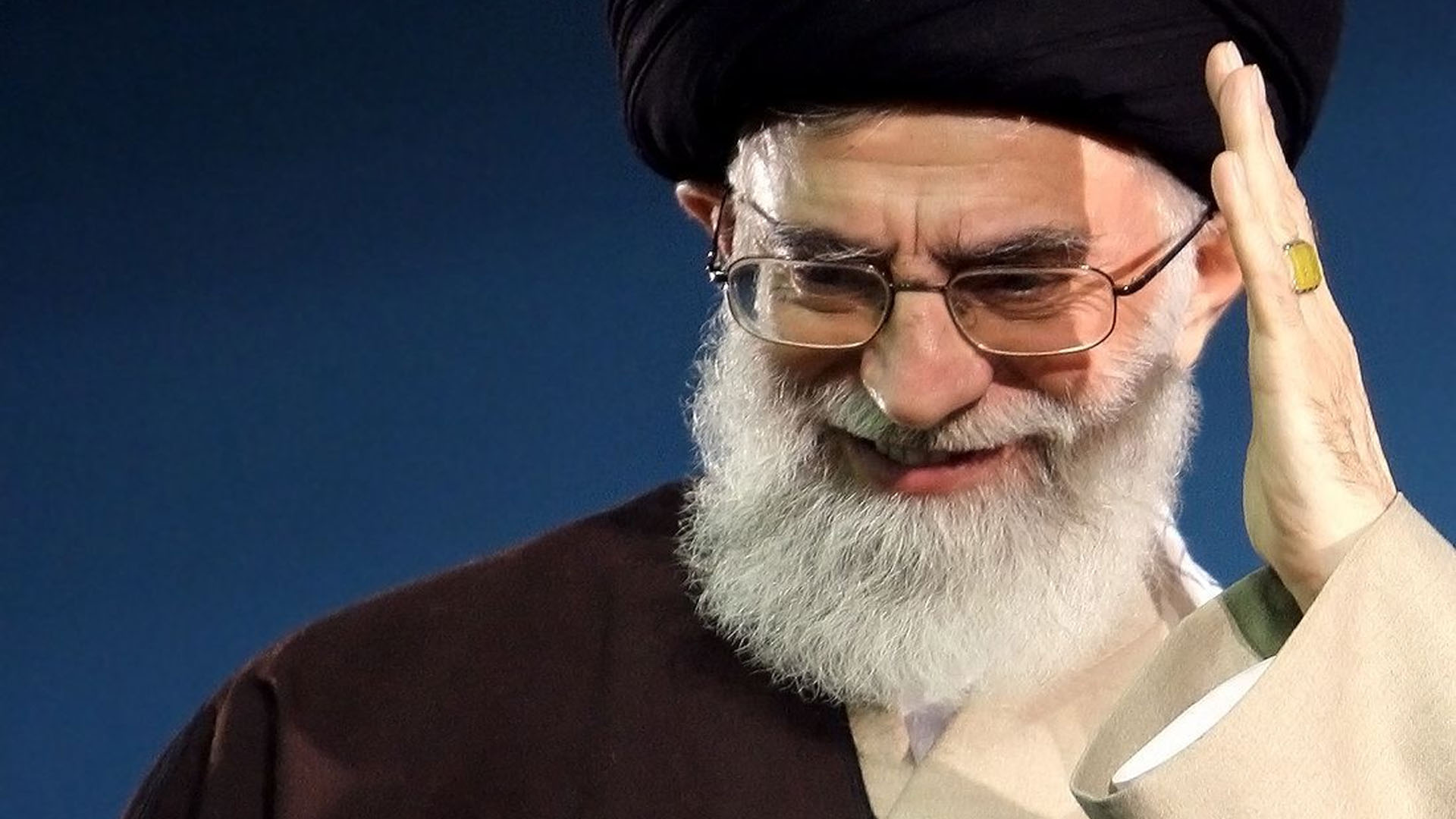
The news agency Fars News Agency, affiliated with the Islamic Revolutionary Guard Corps, reported early Sunday, March 1, 2026, that Ali Khamenei, Supreme Leader of the Islamic Republic of Iran, was killed during joint U.S. and Israeli attacks.
According to the report, he was present in his office at the time of the strike. Hours later, the Iranian government declared 40 days of national mourning and seven days of nationwide closure, placing the country under a state of emergency a decision reflecting the unprecedented gravity of the event for the Islamic Republic’s political system.
In response, Mohammad Mokhber, citing Article 111 of Iran’s Constitution, announced the immediate activation of the legal mechanism for administering the country.
He stated that a temporary council composed of the President, the Head of the Judiciary, and one jurist from the Guardian Council selected by the Expediency Council has assumed responsibility for governance. Mokhber emphasized the “uninterrupted continuity of leadership,” seeking to project stability domestically and internationally.
Meanwhile, Donald Trump told CBS News that he has “ideas” regarding Iran’s future leadership, a remark that has heightened sensitivity surrounding the situation.
Domestically, speculation has also emerged concerning the status of Masoud Pezeshkian, though officials have not provided clear details. Collectively, these developments have ushered Iran and the broader region into a highly uncertain and consequential phase.