
Afghan Citizens Angrier than the Taliban; Public Outrage at Religious Insults.
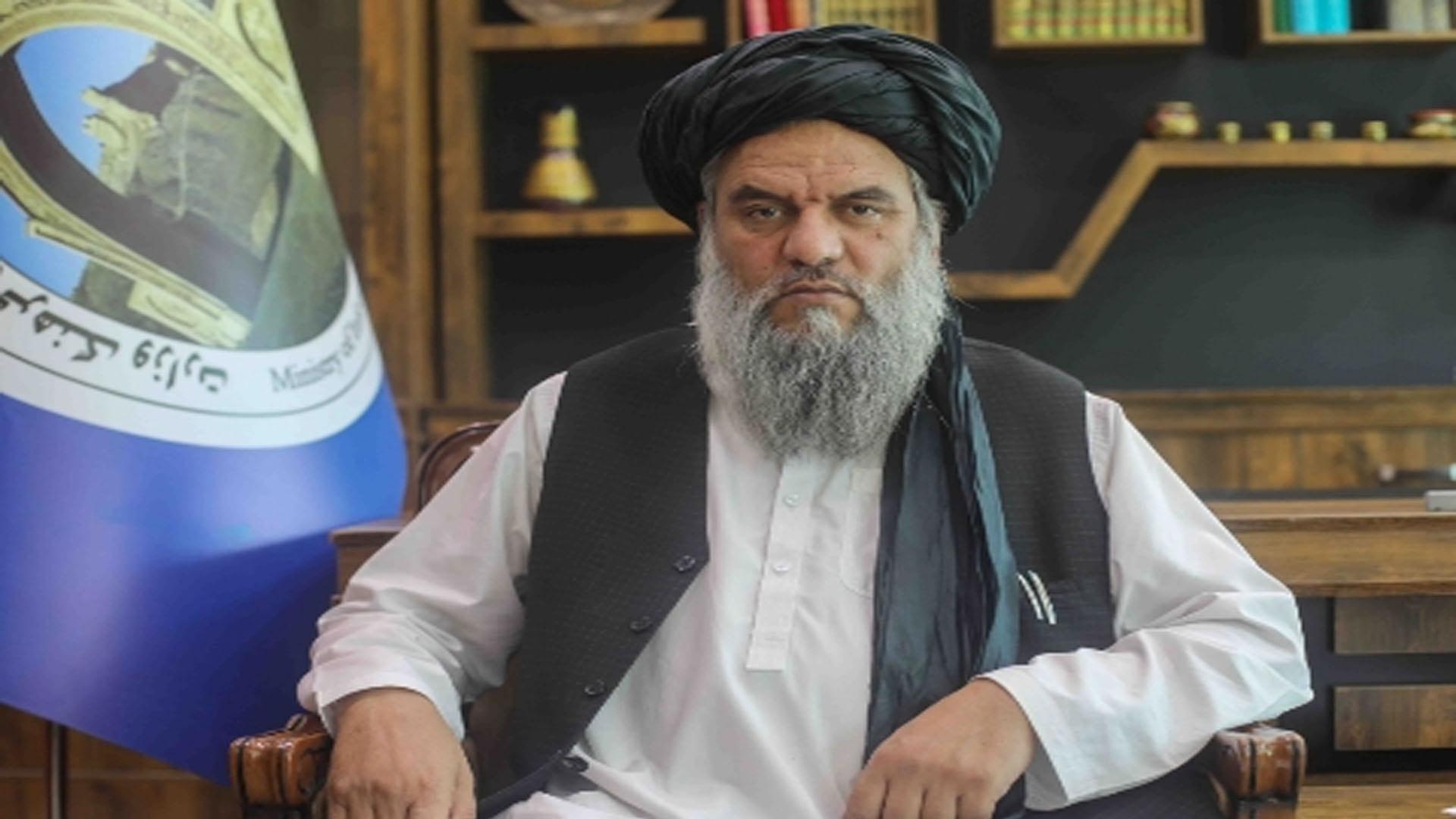
Statements by the Taliban’s Minister of Information and Culture regarding “introducing children to religion” have sparked widespread public anger and disgust, which citizens view as blatant audacity and the appropriation of religion to justify domination.
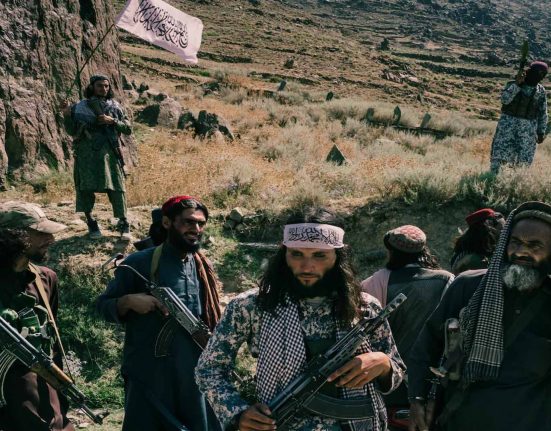
Critics argue that the Taliban, whose record is one of suppression, humiliation, and violence, lack the moral and religious authority to preach, using religion not as a value but as a tool of power.
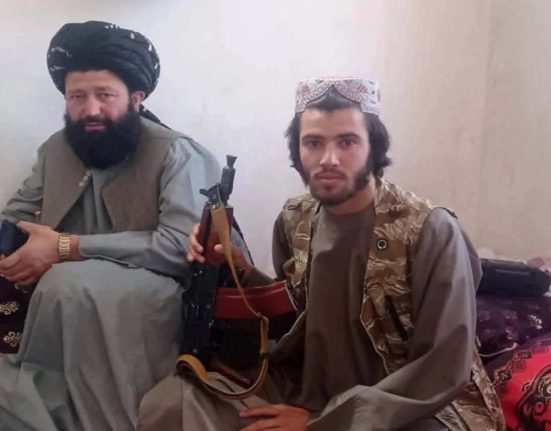
Seyed Jawad, a resident of Kabul, bluntly states that the Taliban understand Sharia only as “turbans, beards, and appearances,” and lack genuine religious knowledge, insight, or awareness.
He emphasizes that Afghans have been Muslims for over a thousand years and have no need for Taliban prescriptions—versions of religion that, over the past five decades, have turned the country into ruins, displaced millions, and left Kabul, once a symbol of culture and civility, wounded and grief-stricken.
He insists that the Taliban must understand that the people will not trade faith for violence and ignorance.
Referring to the future of his children, he affirms that he will never allow his sons to attend Taliban-run schools, which he believes are factories producing extremism and suicide.
While the Taliban invoke “Sharia,” reports document looting, moral corruption, and bribery among their members across the country.
Religious scholars have repeatedly warned that Taliban leaders lack genuine religious knowledge and that their practices reflect narrow, personal, and intelligence-driven interpretations.
Molavi Tariq Osman, a religious scholar, has even likened the Taliban’s ideology to that of the Kharijites a group that considered itself the only true Muslims while rejecting others a dangerous similarity that risks drawing Afghanistan further into a cycle of destruction.