
Amanuddin Mansour on Iran Protests, in Light of His Previous Beating.
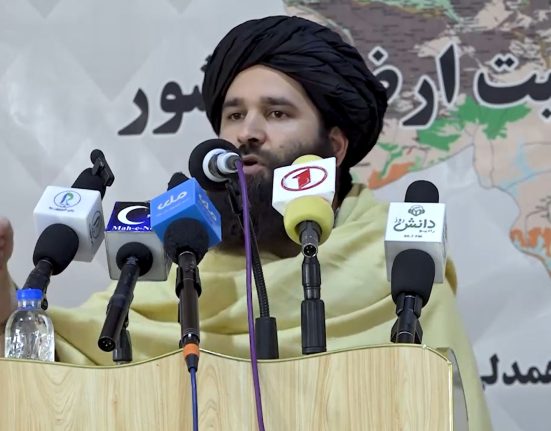
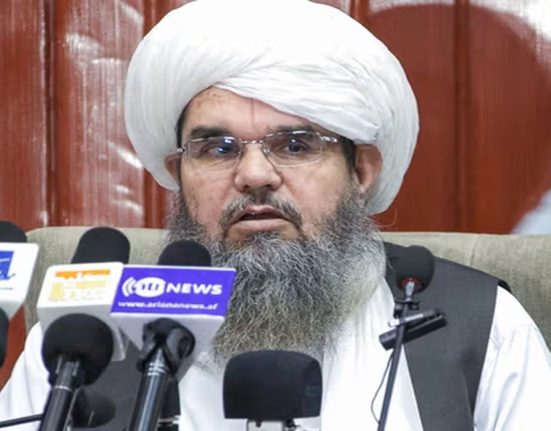
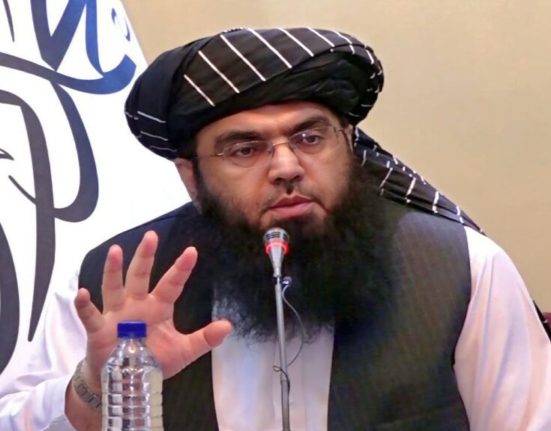
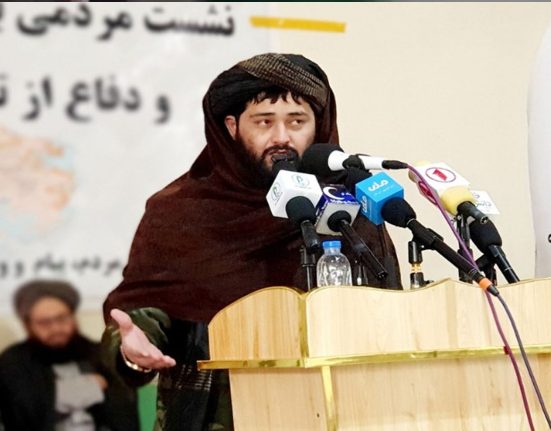
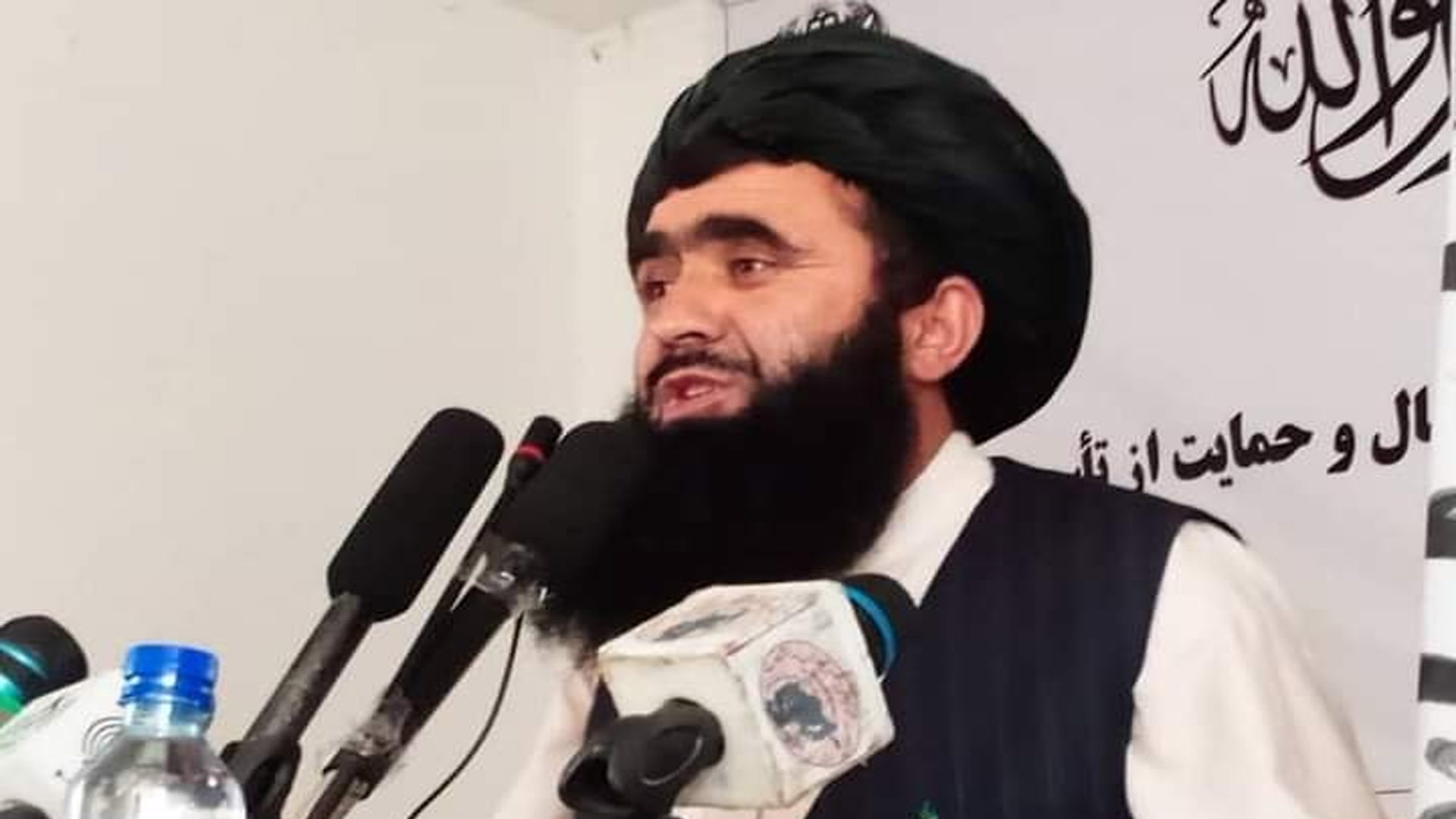
Amanuddin Mansour, Taliban governor of Helmand province, recently commented on the protests in Iran, stating: “Thank God, the people of Afghanistan do not know how to protest, which is considered rebellion against an Islamic government and a Western tactic designed to overthrow Islamic states, and they do not want to do it.”
These remarks come after Mansour himself was reportedly severely beaten by Pashtun Taliban over a minor disagreement or protest, illustrating the limited power and influence of non-Pashtun Taliban officials within the government structure.
Mansour described protest as a “Western act” and asserted that historically, including under the Islamic Emirate of Afghanistan, the Muslim community has not opposed Islamic governments. He warned that any dissent must be “crushed” to serve as a lesson.
Observers note that, following the Taliban’s return to power, Pashtun Taliban effectively sidelined other ethnic groups from key positions, leaving only a few Tajik and Uzbek Taliban loyalists with minor roles.
Even then, critical decisions remain in the hands of Pashtun leaders, while Tajik and Uzbek forces generally follow orders.
Critics argue that this policy suppresses dissent, limits freedom of expression, and reinforces ethnic favoritism, social inequality, and concentrated power.
While Uzbek Taliban can defend some linguistic rights, Tajik Taliban, like Mansour, cannot freely advocate for their communities or natural resources, highlighting political marginalization and eroding public trust.