
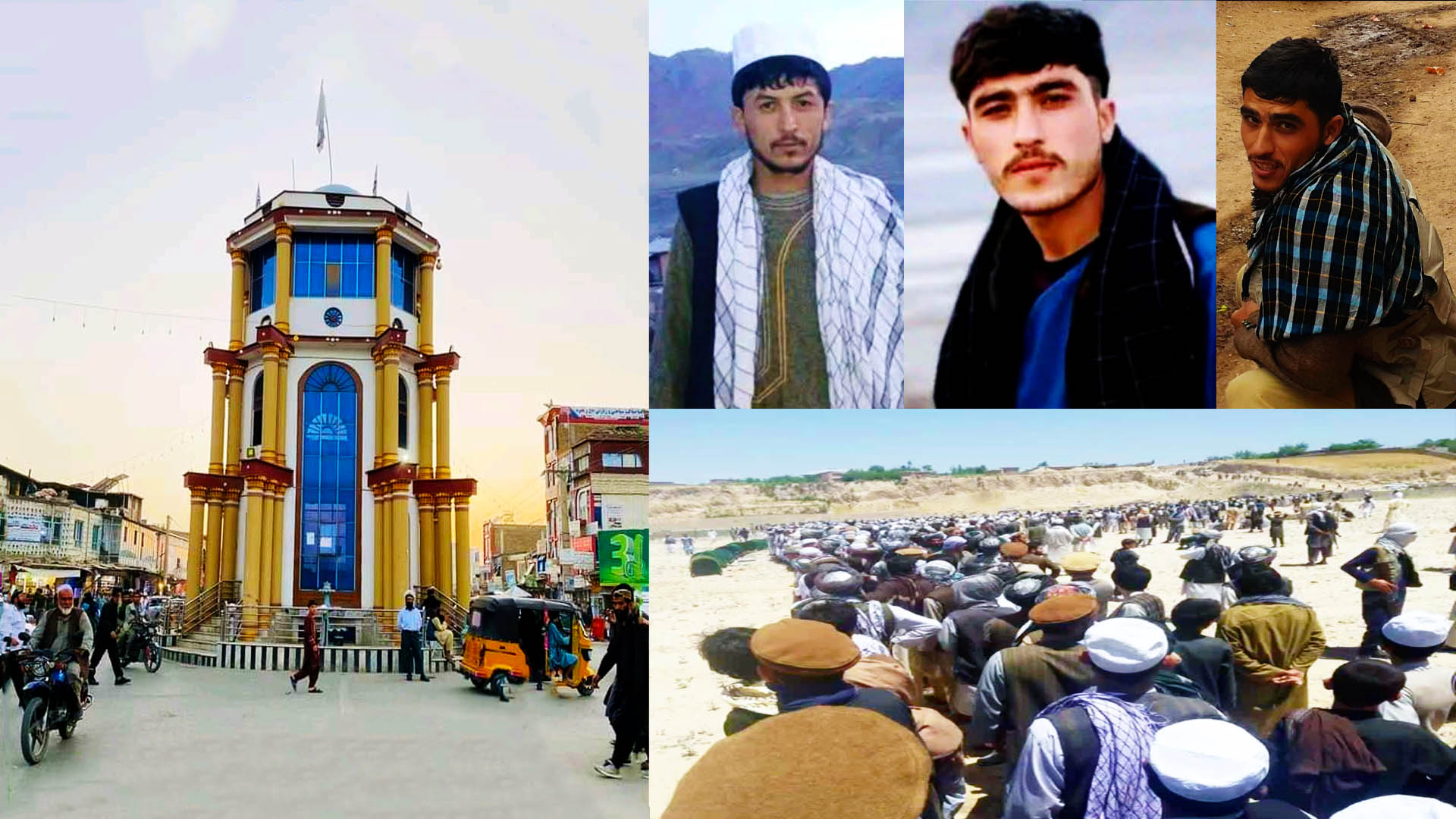
Analysis: Chah‑Ab in Flames How Gold Mining Fueled Clashes and Civilian Deaths.
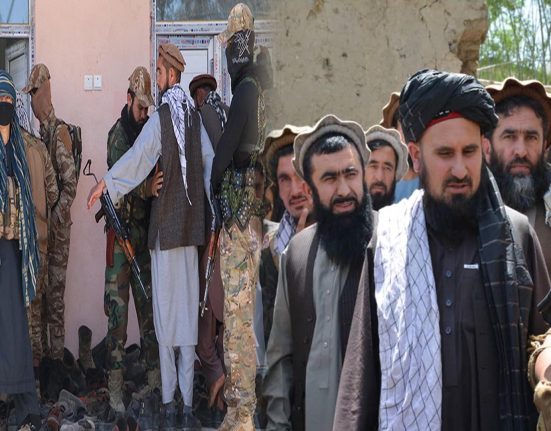
In recent weeks, intense clashes have erupted in Chah‑Ab District, Takhar Province, between local residents and Taliban forces and Taliban-linked gold mining companies.
These tensions ignited after protests against what locals describe as uncontrolled and opaque gold extraction.
Local sources report that at least five residents and one affiliated worker were killed, and 16 others injured in the latest confrontation on Monday, 5 January 2026.
Protesters briefly seized mining facilities and set fire to equipment, reflecting deep-seated grievances against opaque operations.
From an economic perspective, these clashes reflect broader issues in natural resource management under Taliban rule. Since August 2021, gold mining in northern provinces has become a major revenue source for Taliban leaders and allied companies.
The lack of transparency and exclusion of local communities from decision-making has intensified inequality and deepened marginalization.
Socially, the operations have caused environmental damage, disrupted agriculture, and threatened livelihoods, fueling tensions and direct confrontations with armed forces.
Lack of accountability has deepened public frustration and mistrust.
Politically, the conflict highlights a legitimacy crisis for the Taliban in non-Pashtun regions, exposing the gap between centralized policies and local demands.
The ongoing exploitation of resources without community participation has resulted not only in protests but also in violent confrontations and civilian casualties.
Overall, the Chah‑Ab crisis illustrates a cycle of resource exploitation, socio-economic marginalization, and violent repression, where natural resources intended for development have instead become catalysts for public anger, deadly clashes, and human suffering.