
Clear Message from Iran’s Protests to the Taliban: Governments Without Public Consent Cannot Last.
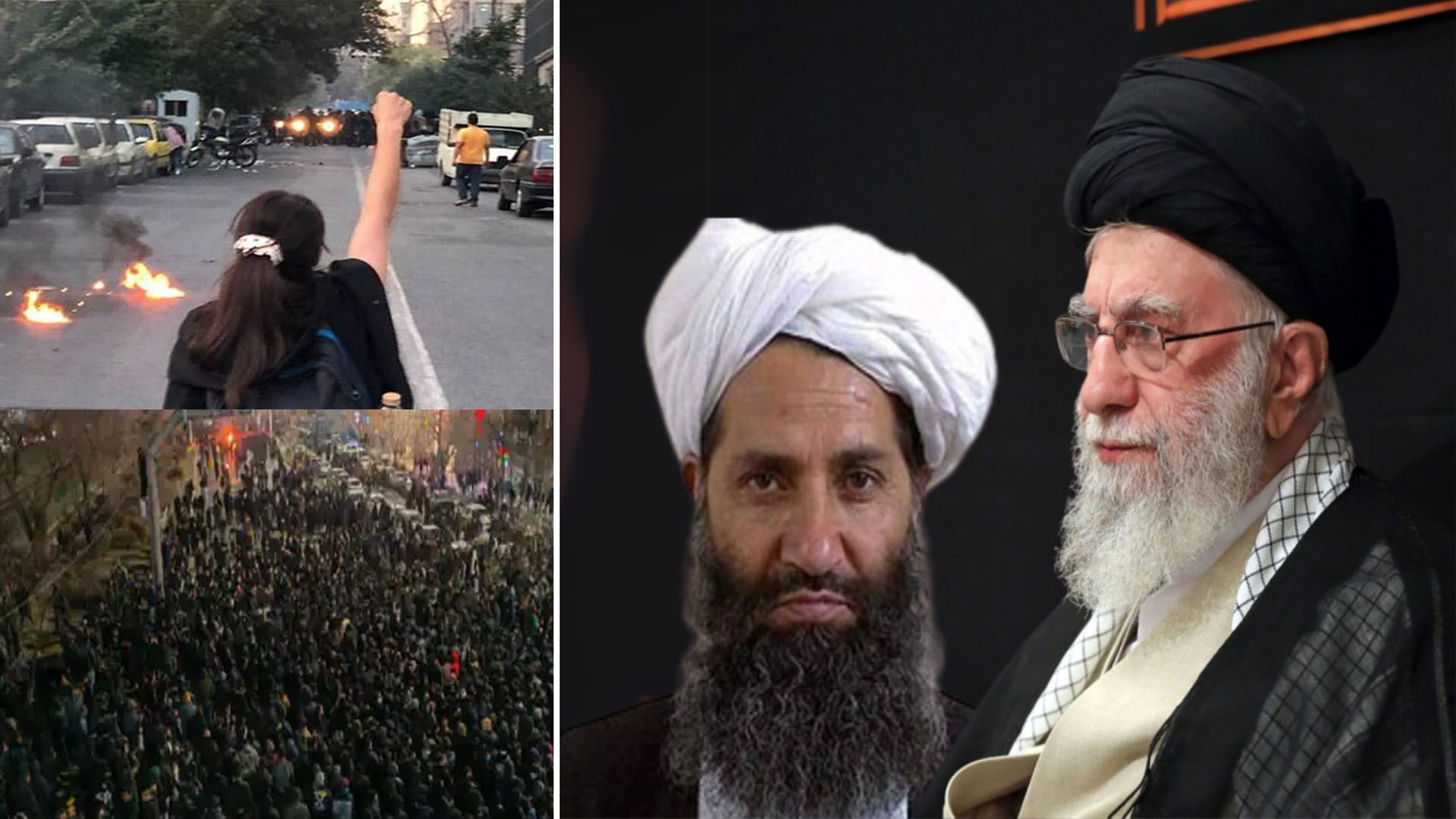
The unprecedented and widespread protests in Iran against the religious dictatorship and repressive state apparatus are seen as a serious warning for regional ideological governments, especially the Taliban.
These demonstrations show that ignoring citizens’ basic needs including livelihood, employment, economic welfare, human dignity, and respect for individual rights, particularly women’s rights can severely weaken the foundations of any authoritarian regime.
As Iran’s neighbor, the Taliban can clearly see that a government failing to meet basic human needs will eventually face public anger and widespread dissent.
Regional and international developments, including the collapse or weakening of authoritarian governments and the growing crises within Iran’s religious governance structure, send a clear message: ruling through force, monopolizing power, corruption, and repression is not sustainable.
Experience shows that ignoring public will, eliminating political participation, and disregarding social demands create a legitimacy crisis and structural instability factors that can seriously challenge the future of any closed system.
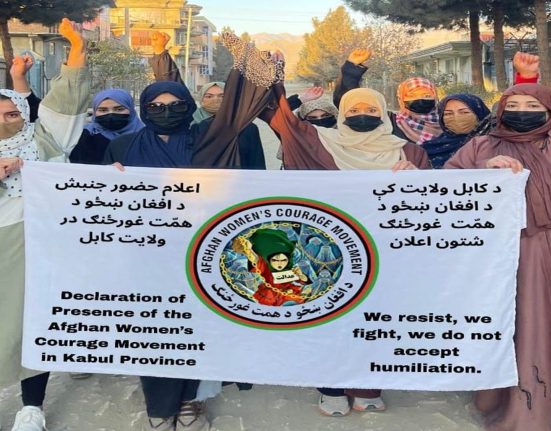
In Afghanistan, over the past four years, Taliban policies including limiting education, widespread violations of women’s rights, suppressing civil liberties, consolidating absolute power, and ignoring protests have created deep dissatisfaction, particularly in the northern and northeastern regions.
Observers emphasize that escaping the current crisis requires genuine reforms, acceptance of public consent, and a shift toward a responsive and inclusive governance system.
Developments in Iran could weaken the Taliban’s regional standing and signal that a sustainable future is unattainable without respecting citizens’ rights and fostering national dialogue.