
Controversial Taliban Comparison Between Prophet Muhammad and Interior Minister.
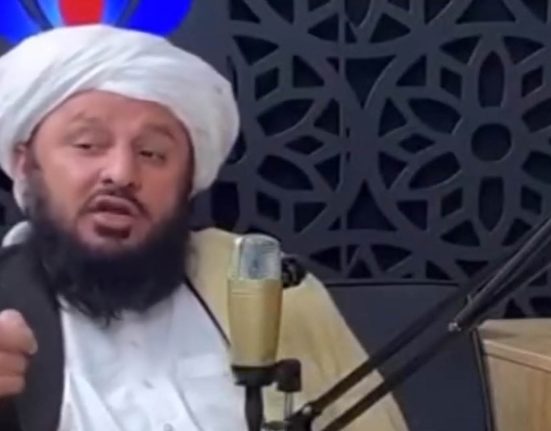
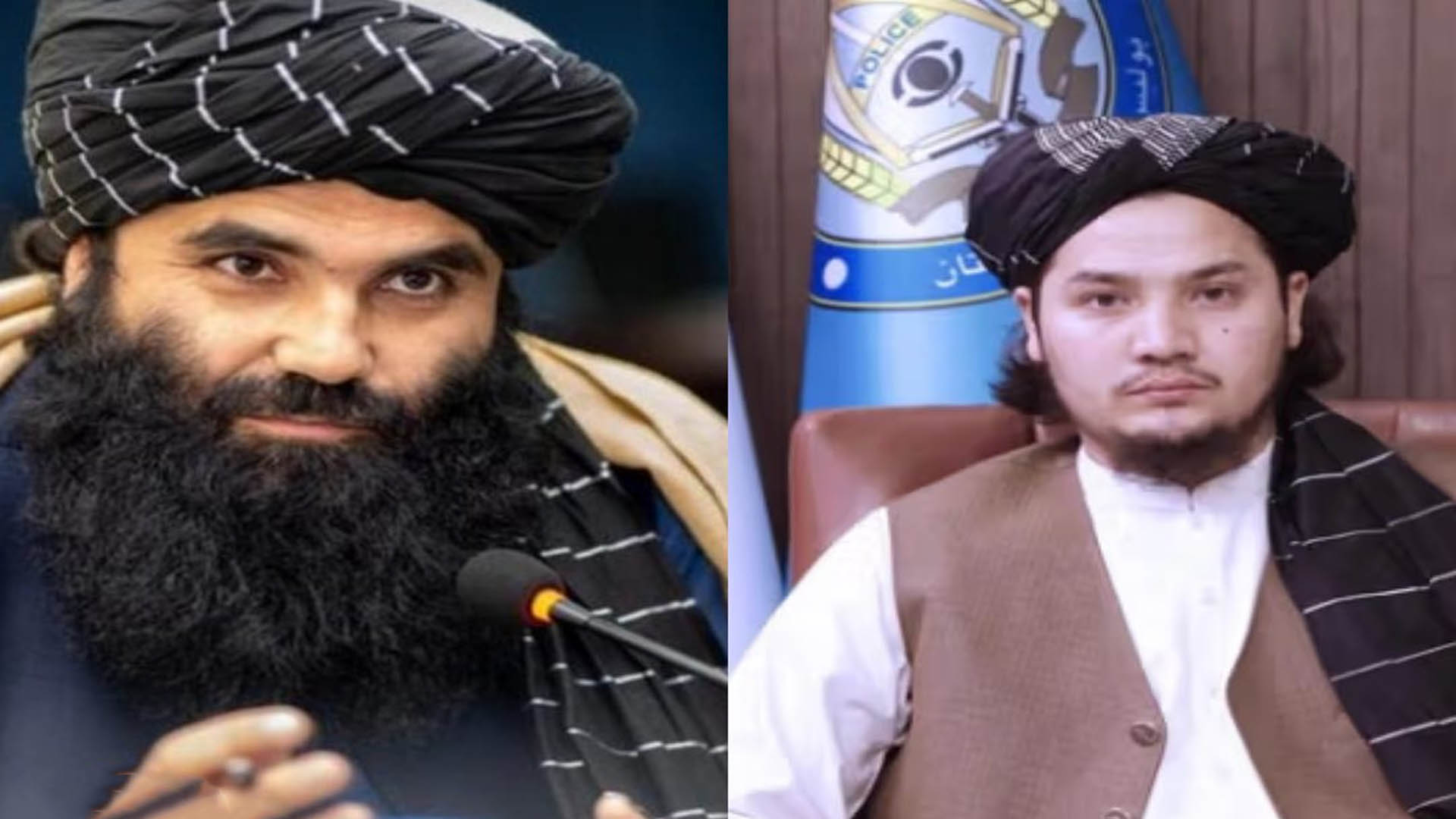
Abdul Mateen Qanae, spokesperson for the Taliban Ministry of Interior, recently claimed that he observes the qualities of Prophet Muhammad in Sirajuddin Haqqani, the group’s interior minister.
According to Qanae, everything he has read about the attributes of the Prophet is reflected in Haqqani.
These remarks come amid widespread international accusations against Haqqani for his alleged involvement in suicide attacks and the killing of civilians, including women and children.
This is not the first time such statements have been made.
Previously, Haqqani himself attributed the suicide attack on Kabul’s Intercontinental Hotel to the “leadership of Prophet Muhammad,” an attack that caused heavy civilian casualties and triggered international condemnation.
These positions emerge in a context where the Taliban, relying on force and repression, have effectively closed spaces for independent religious debate and defined religion solely according to their exclusive narrative a narrative that many religious scholars consider lacking credible historical and jurisprudential basis.
Critics argue that over more than three decades of political and military presence, the Taliban have never engaged in open debate or scholarly dialogue with independent local or international clerics, preferring instead pressure, threats, and imprisonment.
Over the past four years, several critical religious scholars have been detained, including Maulvi Qanat Takhari, who, according to close sources, is imprisoned for refusing to support the Taliban’s propaganda or accept financial incentives.
In such an environment, many scholars and ordinary citizens, fearing repression, have been forced into silence.