
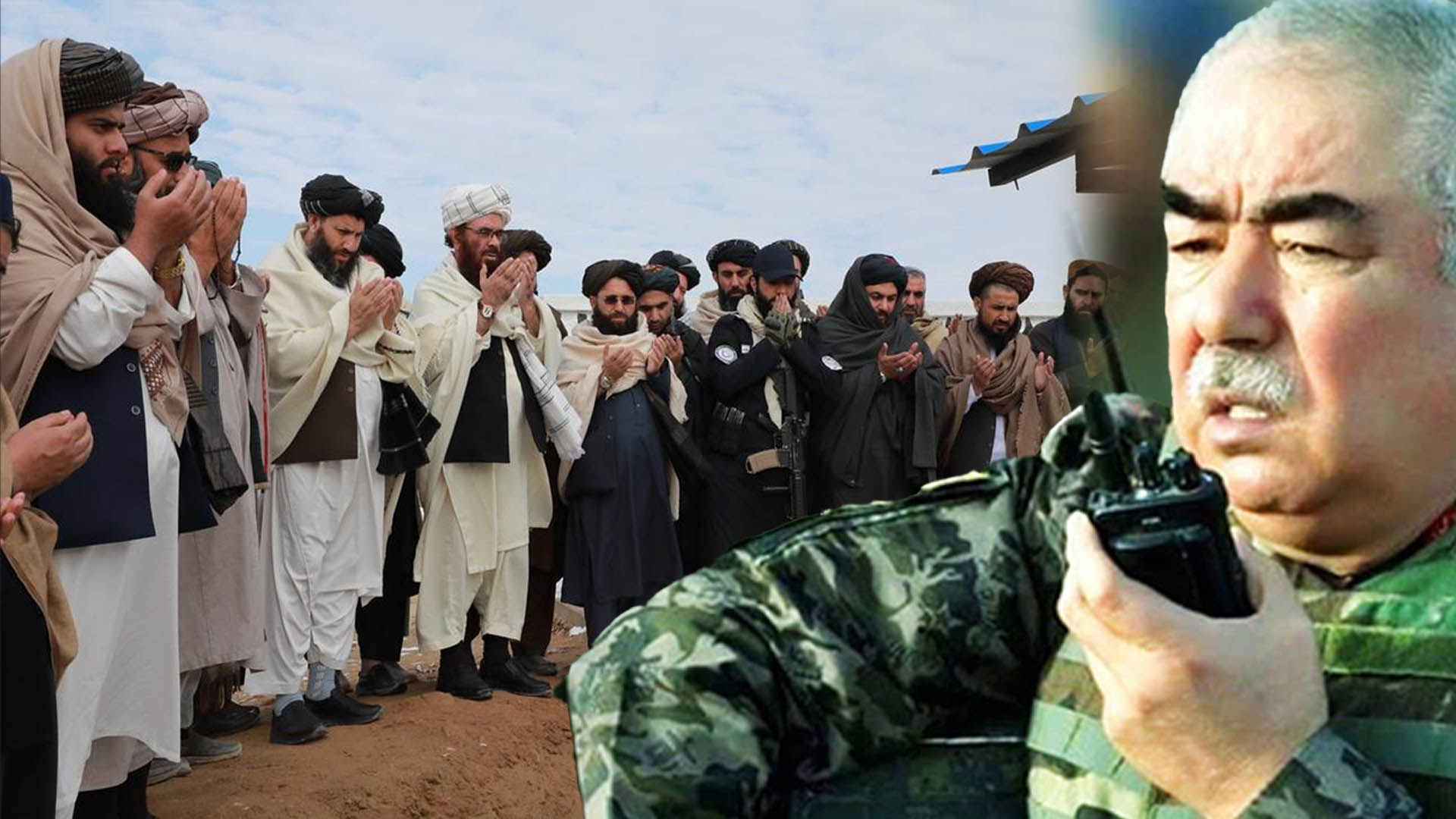
Dasht-e-Leili Through the Taliban’s Lens: A Symbol of Victimhood and Hostility Toward Marshal Dostum.
Nur Mohammad Saqib, the Taliban’s Minister of Hajj and Religious Affairs, during a visit to Jawzjan Province, toured the Dasht-e-Leili area and once again highlighted the site as a symbol of the “suffering and victimhood” of Taliban forces.
He stressed that those killed in Dasht-e-Leili would never be forgotten, describing the area as part of the Taliban’s historical memory and as evidence of what the group calls the “crimes of their enemies.”
According to a statement from the Taliban’s Ministry of Hajj and Religious Affairs, Saqib inspected facilities established in Dasht-e-Leili, including the cemetery, a protective wall, and a mosque built at the site.
The statement quoted him as saying that “the pure blood shed as a result of oppression and coercion strengthened the foundations of the Islamic system,” reflecting the Taliban’s ideological interpretation of the event as a source of legitimacy for their rule.
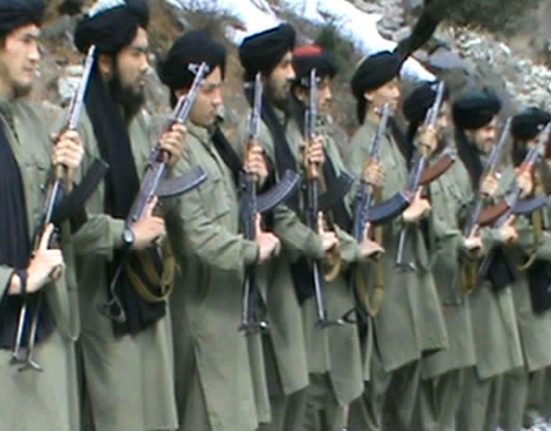
The Taliban directly link Dasht-e-Leili to Marshal Abdul Rashid Dostum, leader of the National Islamic Movement of Afghanistan, whom they accuse of responsibility for the killing of Taliban members after the collapse of their regime in 2001.
By repeatedly advancing this narrative, the Taliban have turned Dasht-e-Leili into a symbol of their long-standing hostility toward Dostum, underscoring the depth of their political and military animosity toward him and his associates.