
Decrees or Divine Command? Does Hibatullah See Himself Above the Amir?
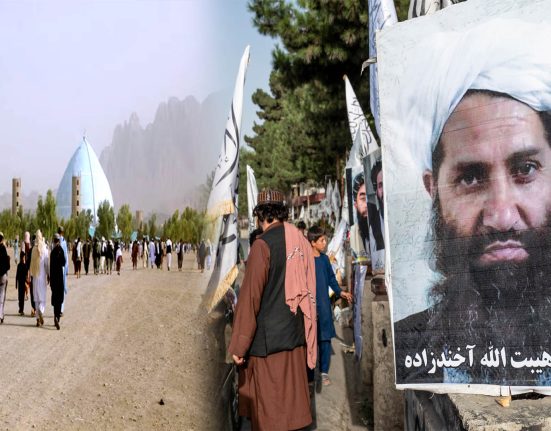
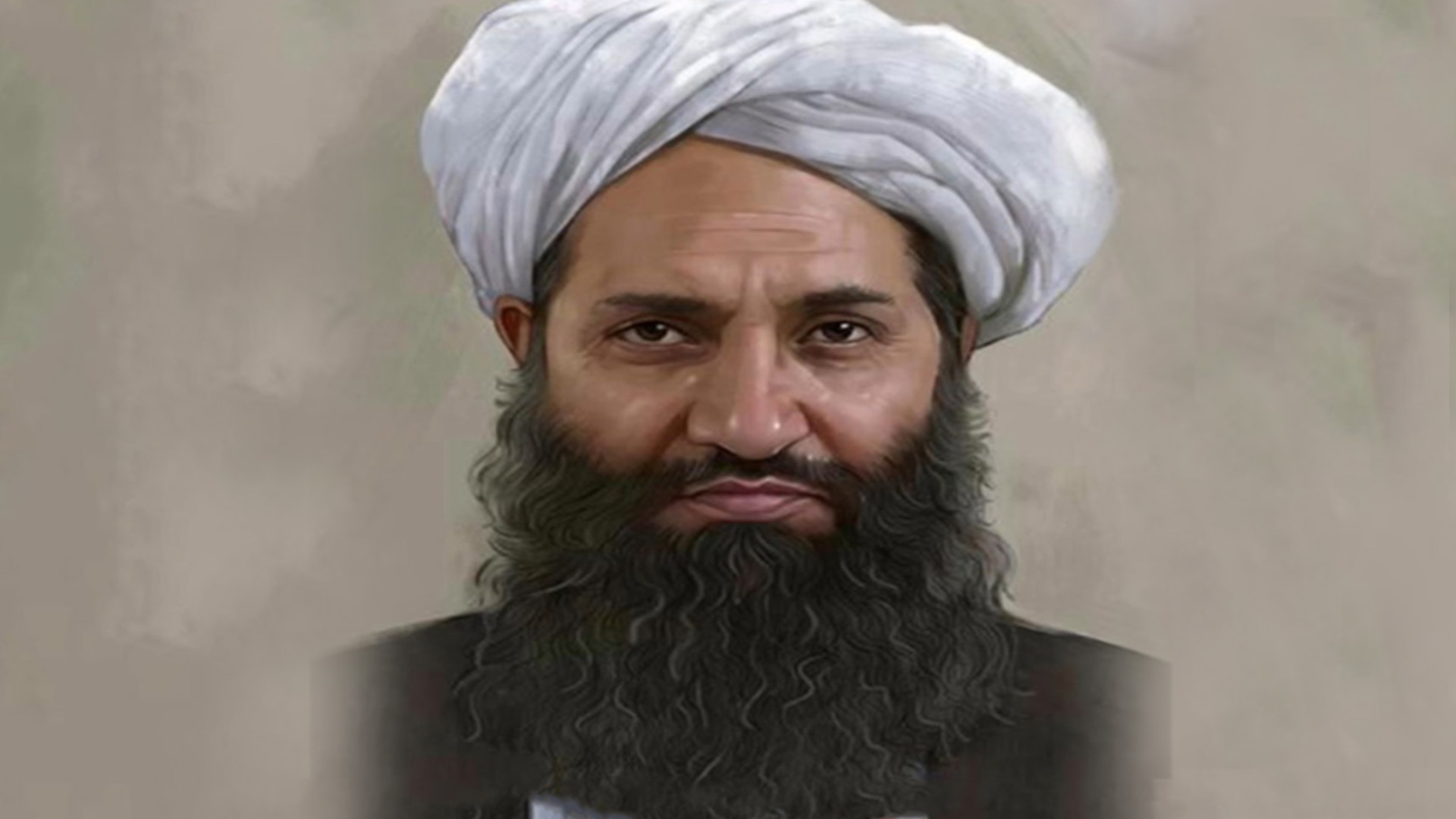
Mullah Hibatullah Akhundzada, leader of the Taliban, in a recent speech in Kandahar, described the decrees issued under his authority as “commands of God and Islamic rulings.”
He emphasized that these decrees are not the product of a few individuals or a specific group, but rather reflect the will of Allah and Islamic law.
He claimed that the Taliban’s laws and decisions aim to guide people toward God’s religion and derive their legitimacy from Islamic rulings.
Since the Taliban’s return to power in 2021, Hibatullah’s decrees have consistently drawn widespread domestic and international criticism.
Many of these orders have severely restricted the fundamental rights and freedoms of citizens, particularly women and girls, prompting condemnation from human rights organizations and parts of Afghan society.
Analysts argue that framing these decrees as divinely sanctioned is a strategy to consolidate leadership authority and prevent dissent, both among the public and within the Taliban, effectively portraying criticism of the leader’s policies as opposition to religion.