
Divine Rulings or Oppression? Taliban Minister’s View on Laws.
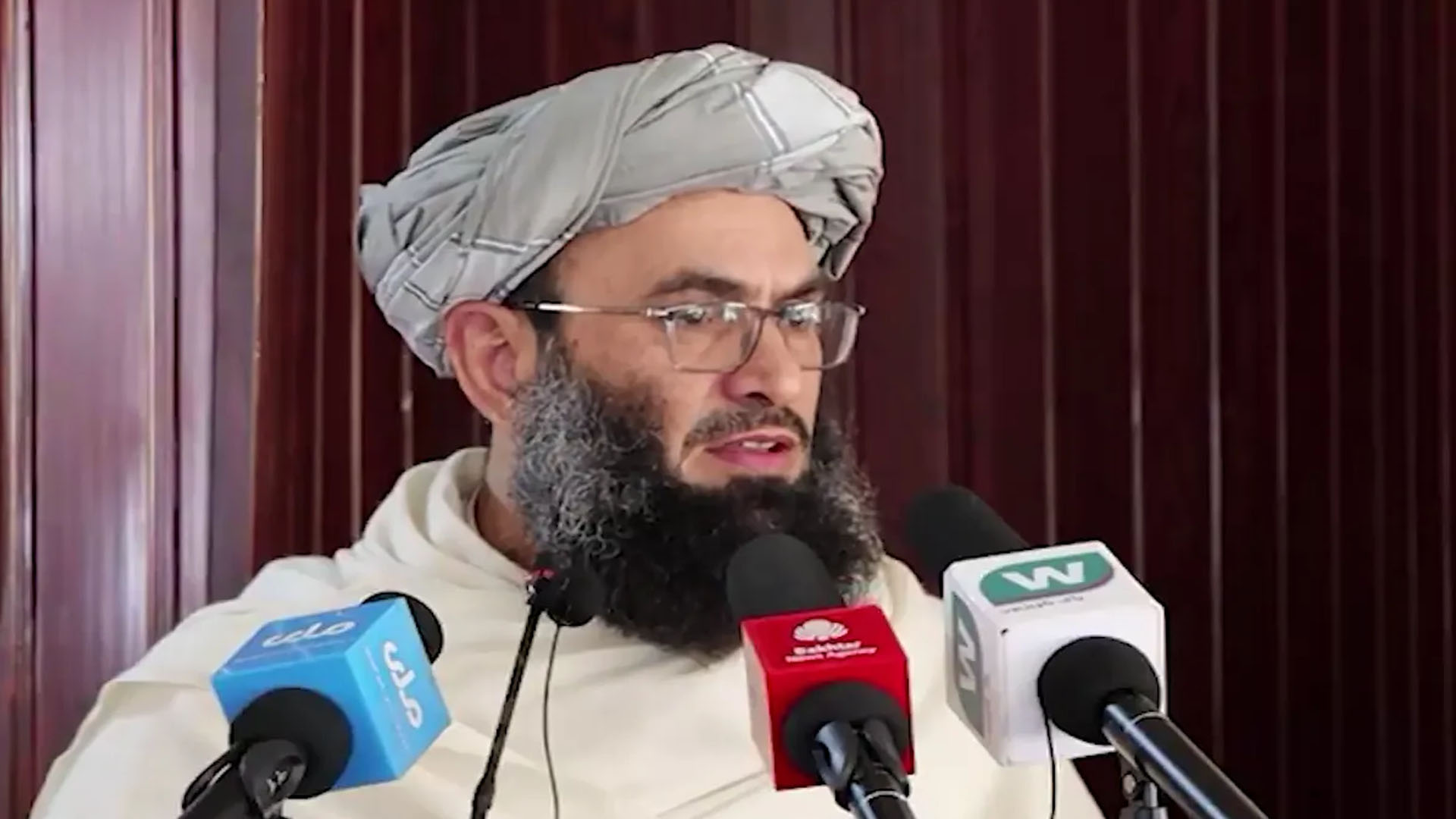
Khalid Hanifi, Taliban Minister for the Promotion of Virtue and Prevention of Vice, emphasized in an audio recording released by spokesperson Saif-ur-Islam Khyber that the Taliban’s laws and decrees are based on “divine rulings,” and human-made laws have no standing.
He stated that strengthening and preserving the religion is a religious duty for all Afghan citizens, and everyone is obliged to follow and implement these laws.
In the audio, Hanifi said: “Our religion is built on divine laws, not human laws; therefore, ensuring its stability and preservation is our religious responsibility.”
These statements align with previous remarks by Taliban leader Hibatullah Akhundzada, who described his decrees as “God’s commands” rather than the decisions of individuals or groups.
Meanwhile, citing these “divine” laws, the Taliban have for over four years barred women from education, work, and broad participation in social life, drawing widespread domestic and international criticism.
Analysts suggest that this approach provides religious legitimacy for the restrictions and repression imposed by the Taliban.