
New Report: Regime Change in Afghanistan Added to Pakistan’s Agenda.
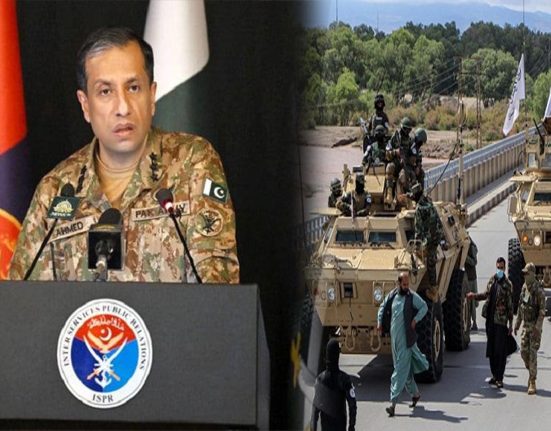
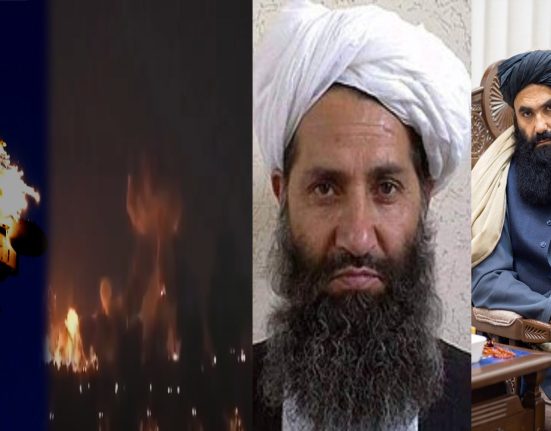
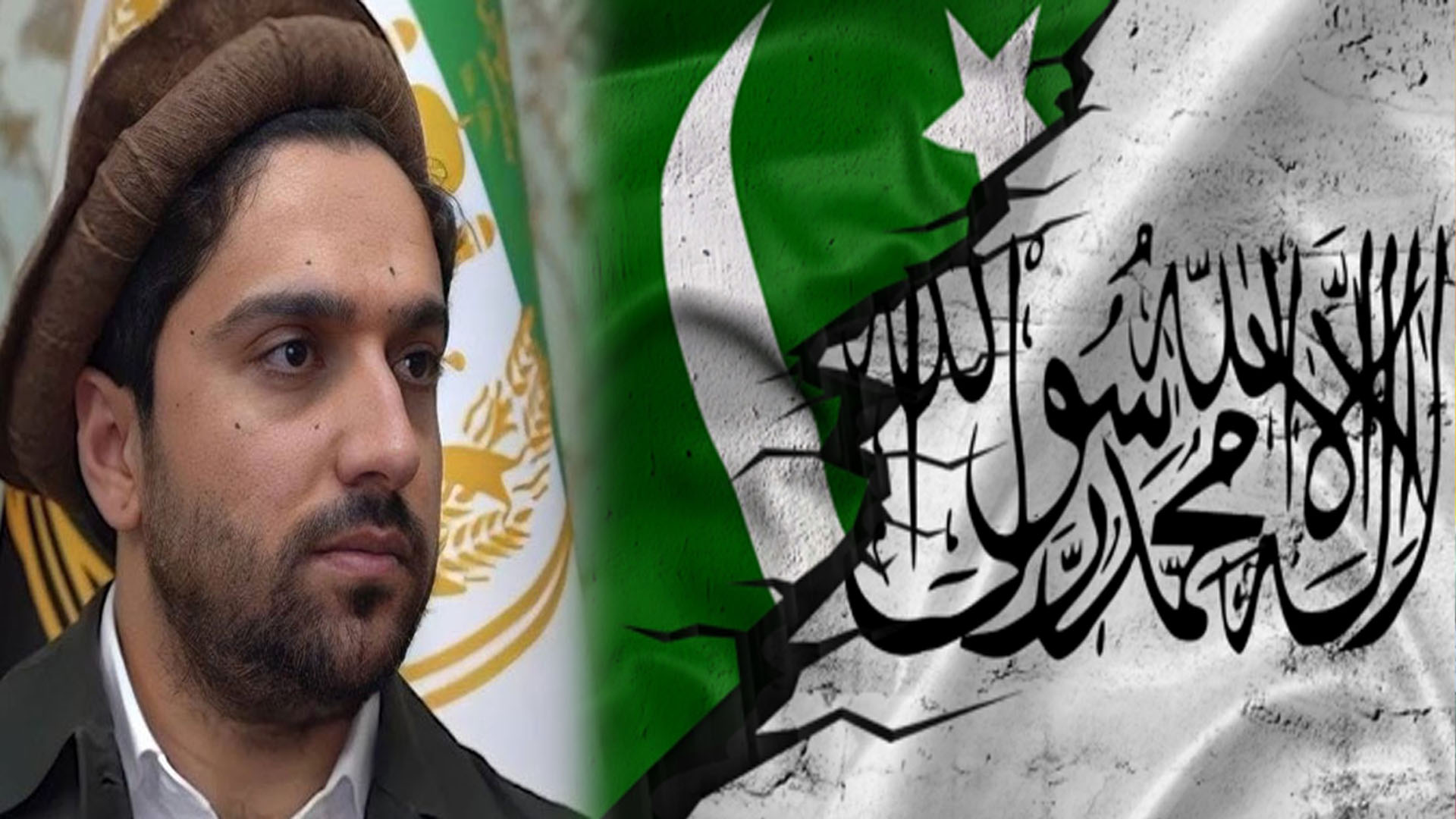
A new report by an American publication highlights the growing tensions between Pakistan and the Taliban, stating that after failed negotiations, Pakistan has decided to shift its policy and begin supporting anti-Taliban groups.
According to the report, several political figures and commanders from the Resistance Front and Freedom Front have recently been invited to Pakistan, where Islamabad is seeking to coordinate with these groups. The report stresses that substantial Pakistani support could strengthen the military structure of the opposition and increase their capacity for carrying out complex operations against the Taliban.
The publication adds that internal conditions in Afghanistan are also unfavorable for the Taliban, as widespread public dissatisfaction increases the likelihood of expanding local resistance. Political analysts believe Pakistan and the United States—who once cooperated to bring the Taliban to power—are now shifting course due to changing regional dynamics.
Multiple trips by Pakistan’s army chief, Asim Munir, to the United States are seen as signs of Washington’s changing policy, a shift that reportedly conflicts with Taliban interests and has weakened the group’s strategic standing.
Local Afghan sources say conditions for resistance are stronger than before, and many citizens, driven by widespread discontent, are seeking change. Former military officers argue that if a portion of the previous military resources were restored, anti-Taliban forces would be capable of regaining more territory. They add that while corruption and distrust triggered the collapse of the former republic, the Taliban now lack popular legitimacy, and shifting regional dynamics—combined with rising internal dissatisfaction—have significantly undermined their position.