
Speculation Over Possible Demolition of Part of Marshal Fahim’s Gravesite in Kabul.
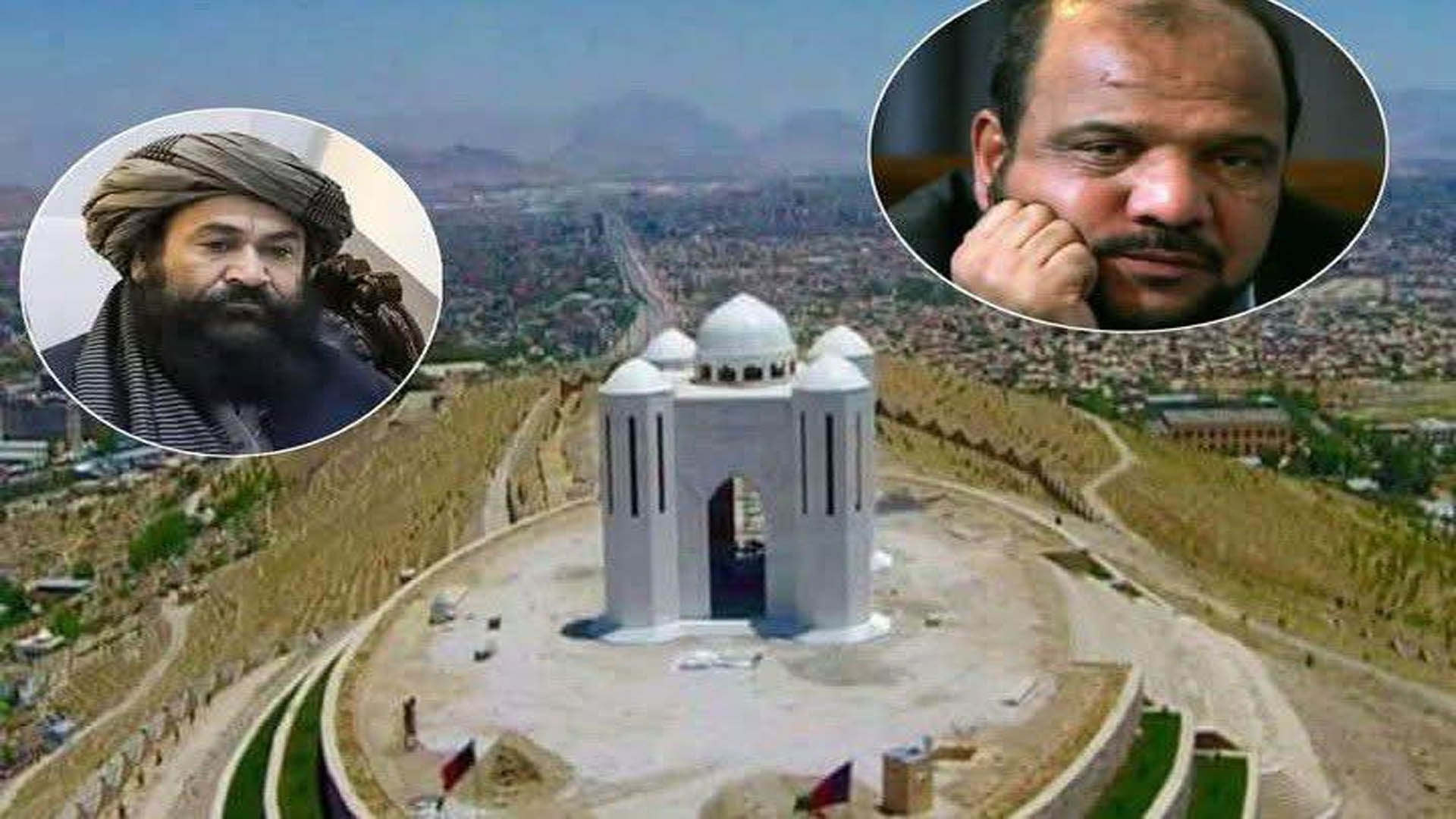
Informed sources in Kabul say that internal discussions are underway within the Kabul Municipality regarding the possible demolition of part of the gravesite of Marshal Mohammad Qasim Fahim.
According to these sources, the grave is located in the Sarai-e-Shamali area of Kabul, and municipal authorities may seek to demolish part of the site on the grounds that it falls within the city’s urban development plan.
The issue has reportedly been raised seriously in internal municipal meetings, sparking concern among Fahim’s family members and supporters.
Although no official or written decision has been announced, the growing level of discussion has increased the likelihood that such an action could be implemented.
To date, Kabul Municipality and Taliban officials have not issued any formal statements on the matter.
Marshal Fahim’s grave is widely regarded by many Afghans as a symbol of the country’s modern political and military history, and any alteration or demolition could provoke widespread public reaction.
Marshal Mohammad Qasim Fahim was a prominent Afghan military and political figure who played a key role in the country’s recent history.
He was a senior commander of the anti-Taliban resistance led by Ahmad Shah Massoud, later serving as Minister of Defense and subsequently First Vice President following the Taliban’s fall in 2001. In 2009, he was awarded Afghanistan’s highest military rank, Marshal.
Marshal Fahim died in Kabul on 9 March 2014 (18 Hoot 1392). His death was officially attributed to illness and cardiac arrest.
However, at the time, speculation and political rumors circulated suggesting that his death may not have been natural, with some allegations directed at the then Afghan president.
These claims were never officially proven or confirmed by any independent or judicial authority, but they continue to be referenced in political discussions surrounding his death.