
Strong Criticism from Fazli on 26th of Dalw; Military Victory or Political Failure?
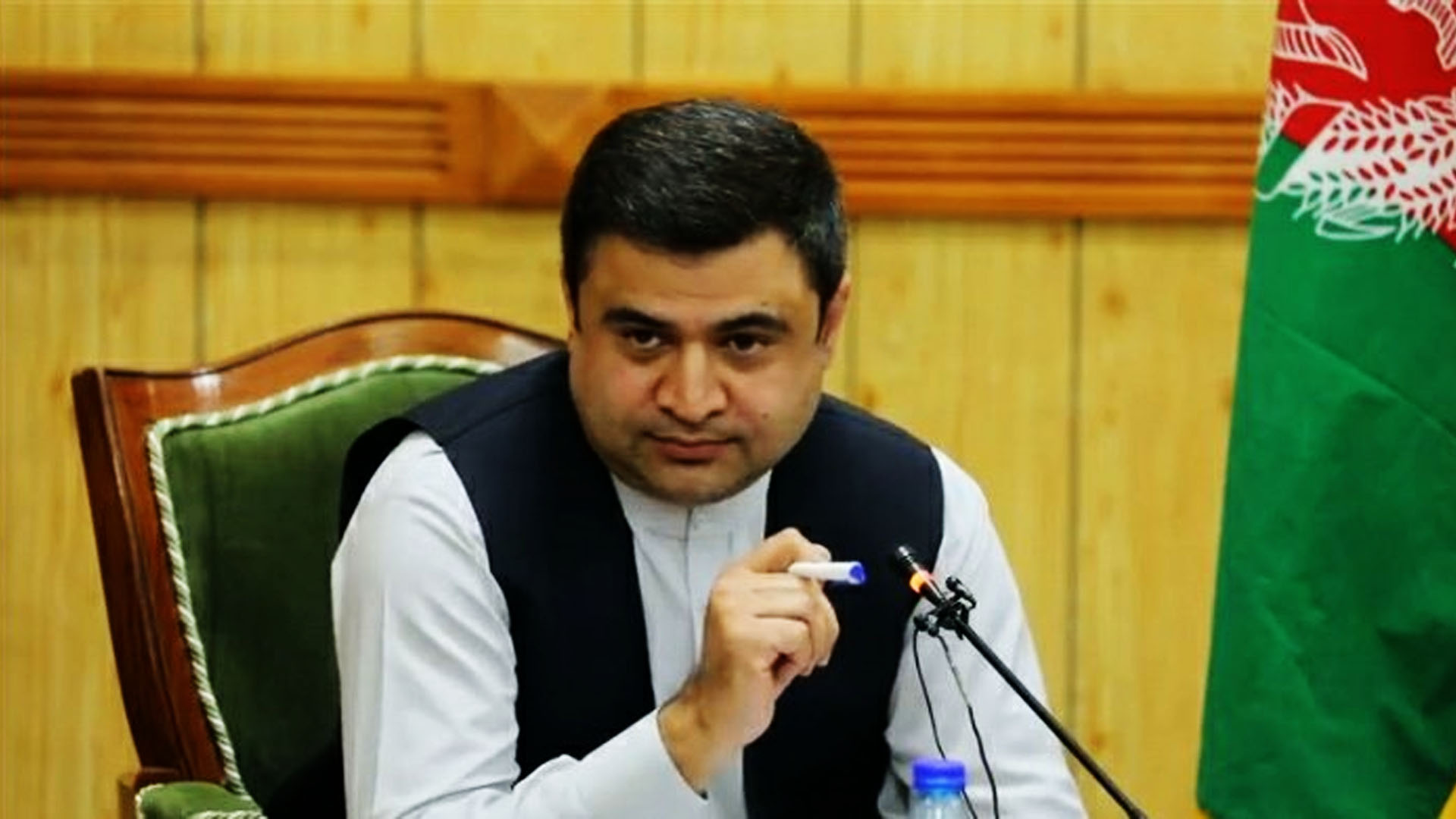
Fazl Mahmood Fazli, former Head of Administration in the previous Afghan government, marked the 26th of Dalw (15 February 1989) by stating that while the withdrawal of the last Soviet soldier in 1989 is recorded as “National Salvation Day,” subsequent developments plunged Afghanistan into one of the darkest and most critical periods of its contemporary history.
He emphasized that post-withdrawal political disputes and power struggles destroyed a golden opportunity to establish a stable system and steered the country toward extensive crises.
Fazli wrote that the lack of cohesion among nationalist forces and destructive foreign interventions severely damaged Afghanistan’s political stability, historical identity, culture, and social structure, resulting in the loss of vital opportunities to build a sustainable government.
He also noted that these divisions paved the way for the emergence of corrupt and ineffective structures in the previous administration.
However, credible media and analysts highlight that Fazli himself was a central figure of power and influence in the presidency during the republic era. Sources report that his inner circle was actively involved in major political and economic decision-making and exploited positions for sexual favors in exchange for political and professional gains.
Critics harshly referred to the presidential palace as “Fazli’s harem,” a term reflecting concentrated power, moral corruption, and his direct role in undermining governance legitimacy and institutional collapse in Afghanistan.