
The Anger of Qari Fasihuddin and the Trampled Identity of the People: The Concerns of Tajik Taliban.
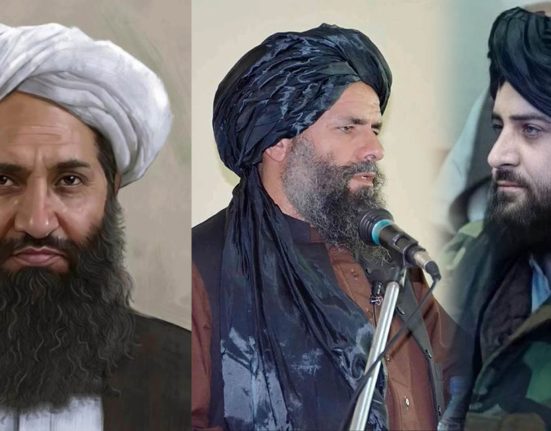
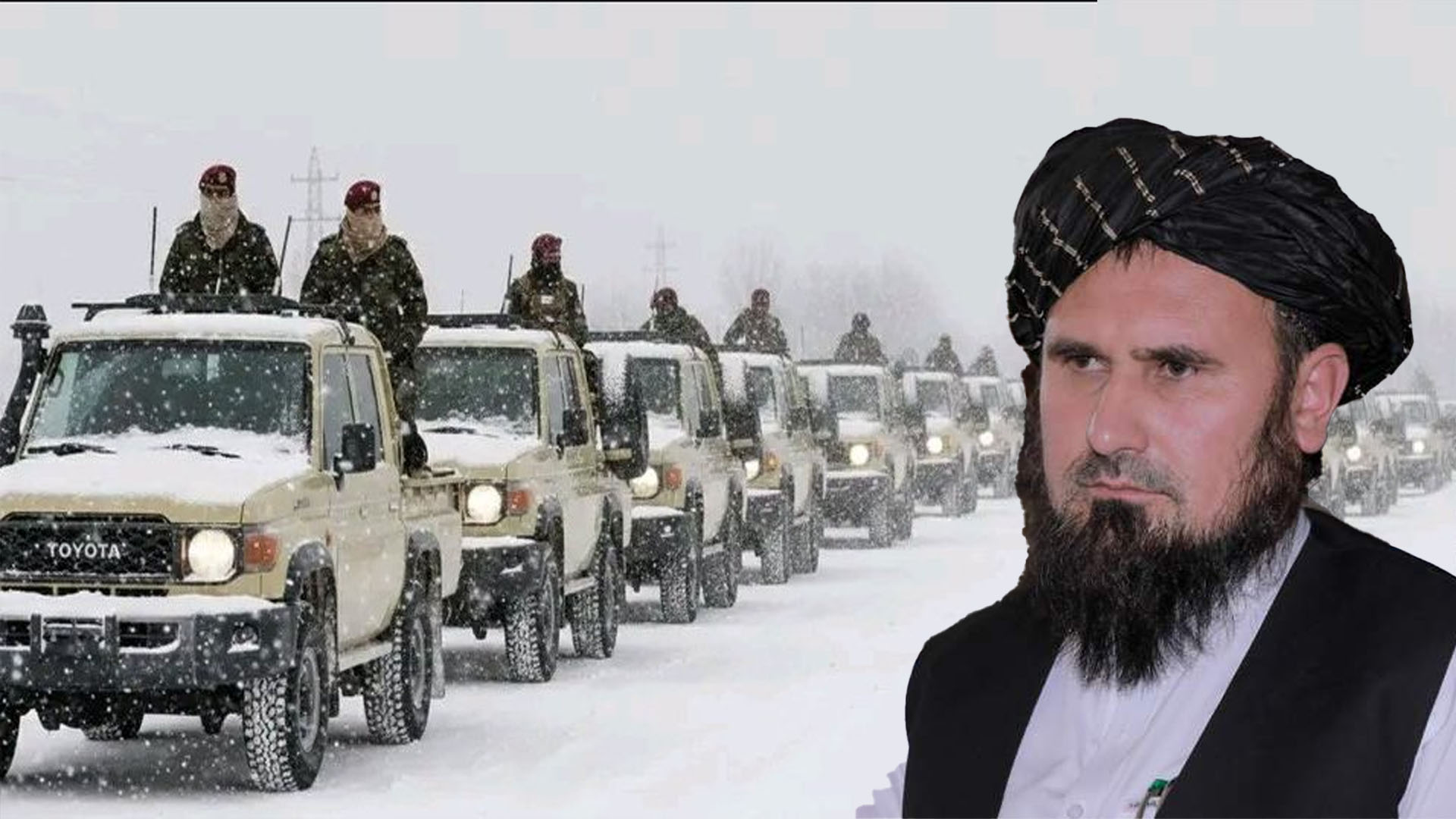
As northern Afghanistan faces escalating tensions over mineral resources and the large-scale deployment of troops, the deadly silence of Qari Fasihuddin, the Chief of Staff of the Taliban, has become a highly controversial issue.
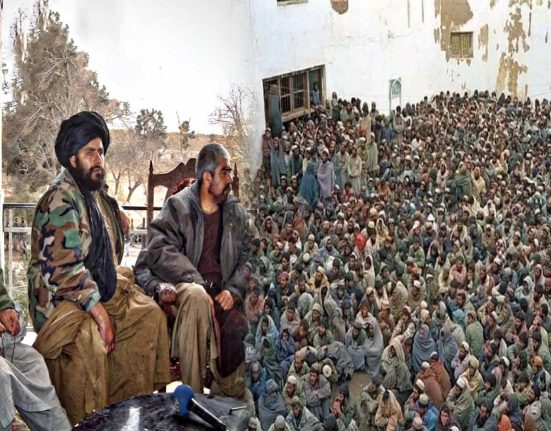
Local sources in Badakhshan and Takhar report that during the peak of the crisis and the deployment of thousands of Pashtun Taliban reinforcements, Fasihuddin neither made public statements nor took any initiative to manage the tensions—a situation critics describe as a “symbolic leadership, cowardice, and anger.” The growing military presence has raised concerns that the socio-economic crisis around the mines could turn into a major security challenge. Locals note that instead of transparent responses, the Pashtun Taliban have relied solely on security measures.
Some figures close to the northern Taliban, particularly Tajik fighters, explicitly state that the Chief of Staff’s role is mostly symbolic rather than executive or decision-making. They claim that his lack of influence in major security decisions has increased feelings of frustration and fatigue among a large portion of the local Tajik Taliban forces. According to these sources, this ongoing trend could deepen internal divisions within the Taliban. Meanwhile, clashes over gold mines between local residents and Pashtun Taliban in Badakhshan and Takhar have further inflamed the region. Tajik Taliban sources assert that the deployment of Pashtun troops is aimed at large-scale plundering of gold mines and suppressing public protests. Critics warn that if the military leadership fails to play an active and tangible role, a purely security-focused approach will not control the crisis and may further erode trust. Taliban sources counter that decisions are made centrally; however, until the Chief of Staff speaks directly and transparently about northern developments, questions and criticisms are unlikely to subside.