
Threats Against Shiites in Kabul; Taliban Actions Risk Turning Civil Protests into Violence.
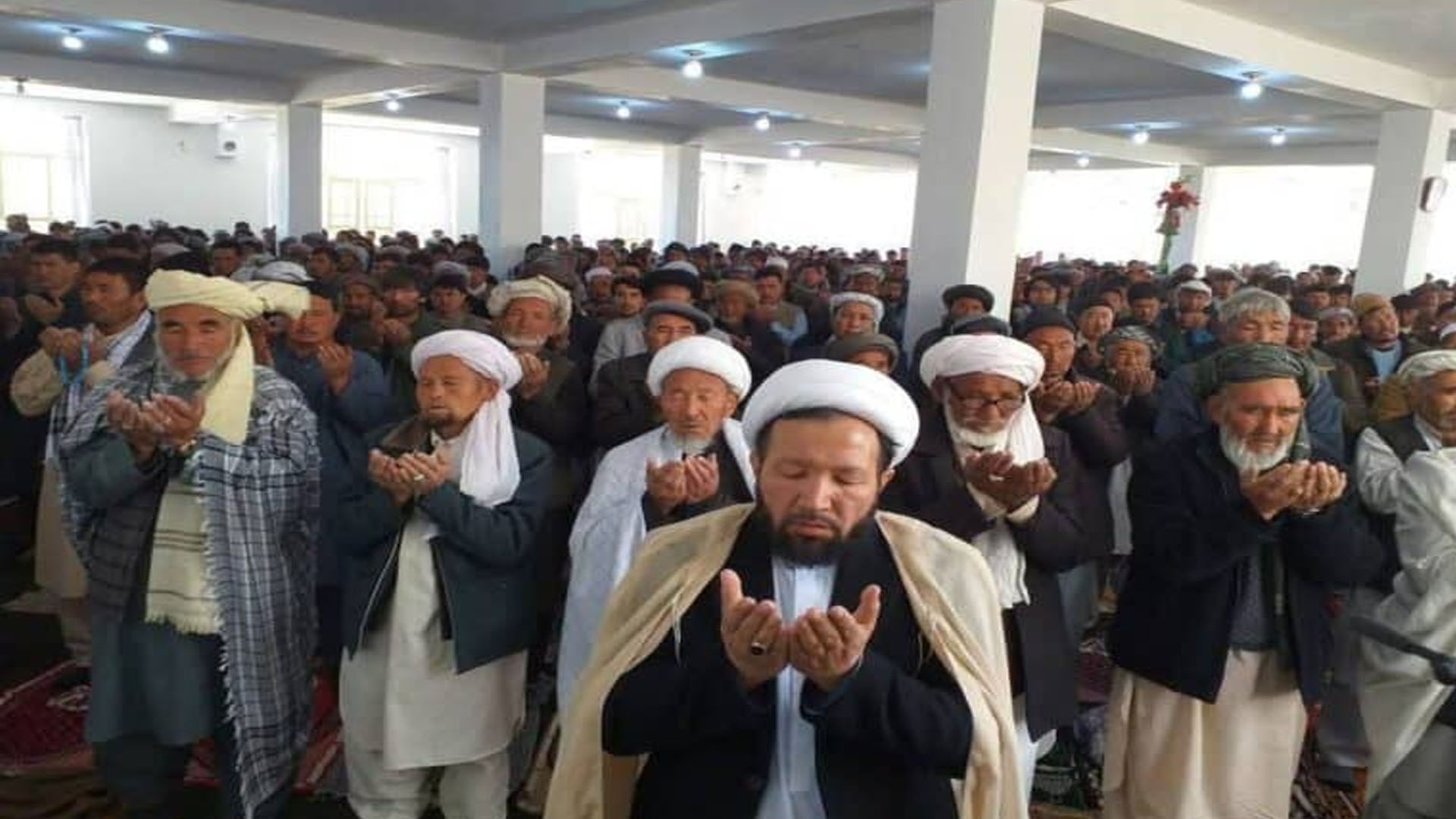
Local sources and community elders in the Darulaman area of Kabul report that recent pressures by the Taliban on Shiite residents have raised concerns about deliberate attempts to provoke confrontation and justify suppression under so-called “legal” grounds.
According to these sources, the detention of dozens of Shiite citizens after a funeral, strict security restrictions, and the prohibition of burials in the local cemetery have significantly escalated tensions.
During protests by the residents of Afshar Darulaman against the Taliban Ministry of Justice’s order to halt burials in the historic cemetery, over 50 demonstrators, including the mosque imam and neighborhood representatives, were detained and transferred to unknown locations.
Families of the detainees report that several days have passed without any information regarding their loved ones’ whereabouts, health, or legal proceedings. Residents emphasize that the cemetery in question, supported by official documents from the previous government, legally belongs to the local community.
Simultaneously, the Taliban declared the mosque grounds as “Emirate property,” closed the Imam Hussein Cultural Complex, and demolished the historic Seyed Jafar shrine under orders from the Ministry of Justice, heightening concerns over intensified pressure on Shiite religious sites.
Critics warn that continuing this approach may push civil protests toward unintended confrontations, which could then be used to justify violence.
Afshar Darulaman, one of Kabul’s oldest Shiite neighborhoods with numerous historical cemeteries and heritage sites, has traditionally been home to Qizilbash, Afshar, and Bayat communities.
Local elders stress that the Taliban’s unilateral actions against Shiite cemeteries are unjust and that if cemetery lands are deemed “Emirate property,” such restrictions must apply equally to all communities.
Residents also call on media outlets and national and international human rights organizations to pay attention to the detainees’ situation, protect religious sites, and prevent further destruction of cemeteries and cultural landmarks.
They insist that their sole demands are respect for justice, recognition of historical rights, and the release of detainees, warning that neglecting these issues could escalate tensions and unpredictable violence.