
Afshar: Point of Contention Between Hazara and Tajik Elites; Shifts Focus from Taliban and Abdul Rahman Killings.
Recent discussions on the Afshar incident have once again brought one of the most controversial chapters of Afghanistan’s civil wars to the forefront of political discourse.
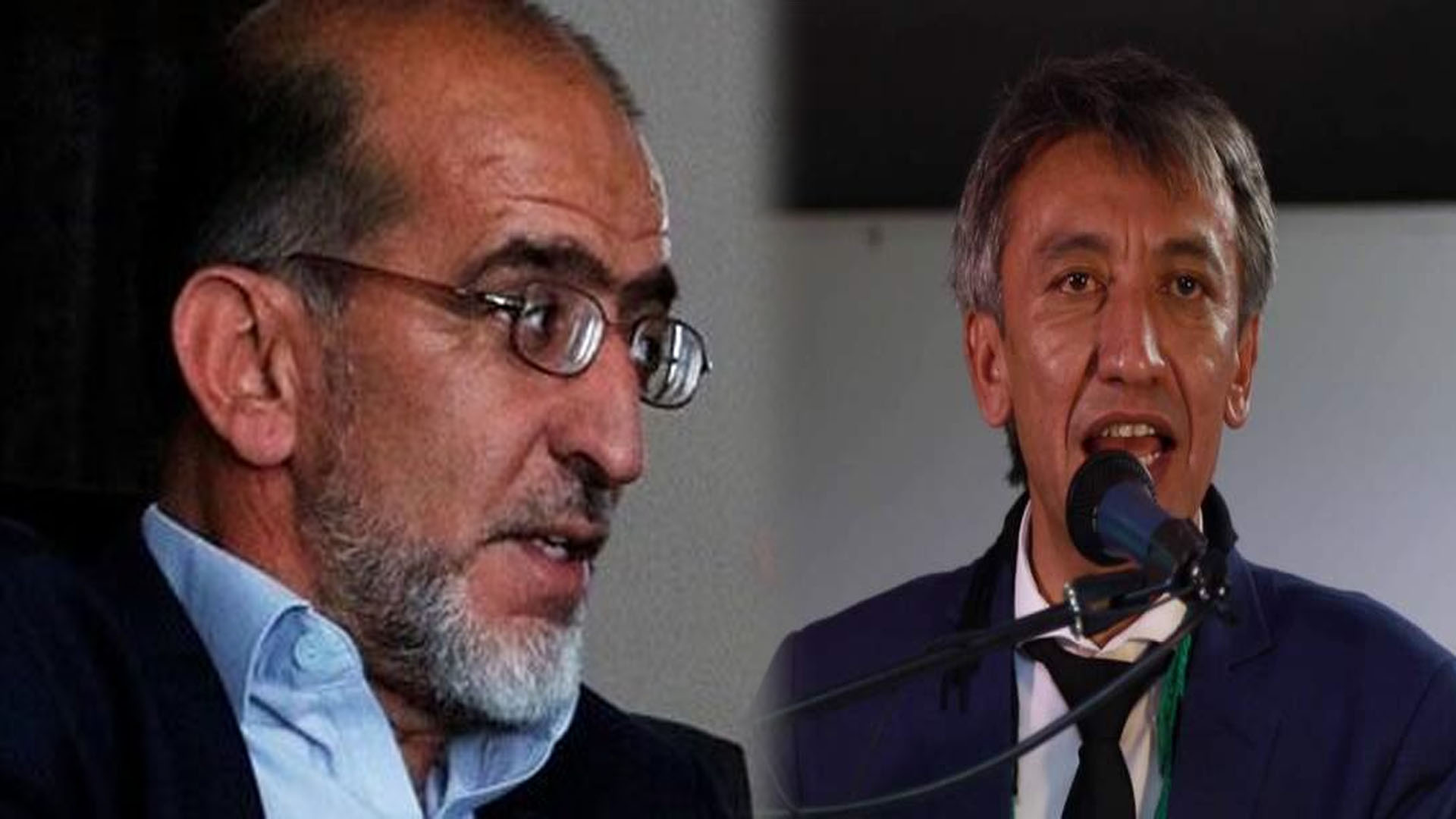
Recent statements by Hafiz Mansour regarding Afshar and surrounding events have triggered widespread reactions, making it a focal point of conflicting narratives between some Hazara and Tajik communities.
The Afshar incident occurred in 1992 (1371 in the Afghan calendar) in western Kabul, resulting in the death and disappearance of many civilians, especially women and children, mostly from the Hazara community;
an event that for many Hazaras symbolizes a targeted tragedy, while some political groups consider it part of the complexities of multi-sided internal conflict.
For many Hazaras, Afshar cannot be separated from past and other historical events, and it is seen as a continuation of prior suffering.
In the late 19th century, during Amir Abdur Rahman Khan’s rule, widespread suppression of Hazaras occurred, including forced displacement, land confiscation, and mass killings;
events considered by many scholars as some of the bloodiest in modern Afghan history.
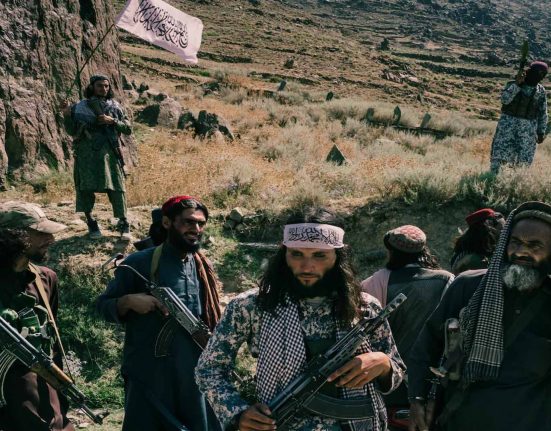
Decades later, during Taliban rule in the 1990s, mass killings were reported in Mazar-i-Sharif, Bamyan, Yakawlang, and other predominantly Hazara areas.
These three periods—Abdur Rahman’s era, Afshar in the civil war, and Taliban massacres—are viewed by much of the Hazara community as links in a historical chain of violence and discrimination.
Conversely, some political figures stress that each event should be assessed in its historical and legal context, avoiding generalization or competitive narratives.
Dawood Naji emphasized that while the Afshar incident’s occurrence is undeniable, seeking justice is a legitimate right, and impartial judicial review is the essential solution.
Overall, comparing Afshar with Abdur Rahman’s repression and Taliban massacres illustrates that the issue is not a single isolated event but a broader conflict over historical memory, political accountability, and transitional justice—a dispute that continues to cast a shadow over ethnic relations and the political climate in Afghanistan.