
Is YouTube a Safe Haven for Defeated Elites?
After being completely removed from the formal sphere of power, several prominent figures from the Republic era have turned to social media in an effort to survive in public memory, with YouTube becoming a new arena for their political competition.
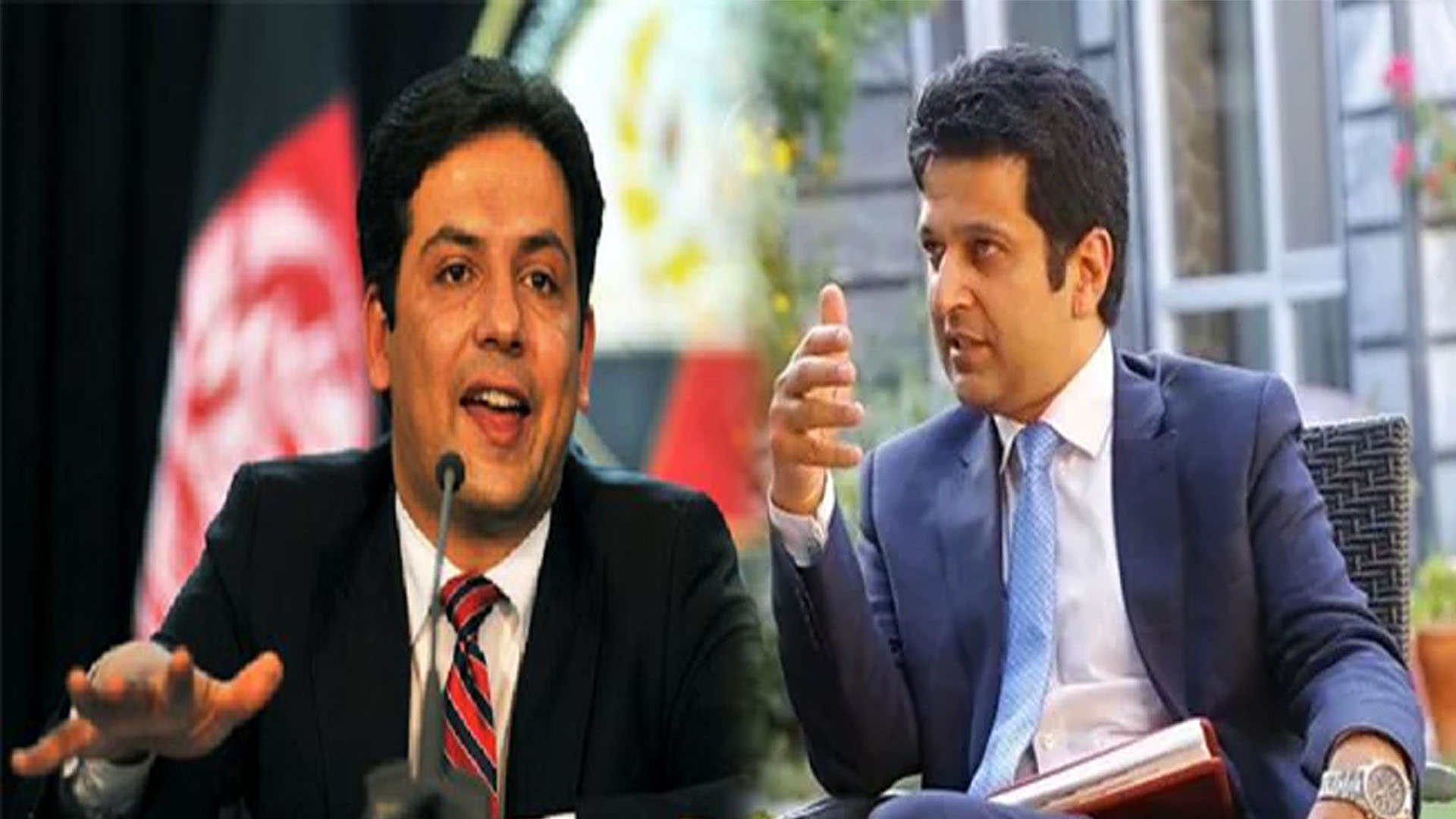
As part of this trend, Mujib-ur-Rahman Rahimi, the former spokesperson for Abdullah Abdullah, has launched a YouTube channel, entering a space that is seen less as a media platform and more as an attempt to redefine a lost political role.
Rahimi has named his channel “Deep Perspective” and claims that instead of news, it focuses on academic analyses in the fields of politics, history, society, and identity.
This claim has been accompanied by initial programs centered on the book “An Analysis of the Official Discourse of State Formation in Afghanistan.”
Observers say this approach resembles an effort to reconstruct the intellectual legitimacy of elites who failed the test of governance and are now seeking a new audience through academic-style discourse.
Rahimi has invited audiences to support the project through criticism and feedback, while previous experiences, including Wahid Omar’s unfinished channel, have shown that YouTube is neither entertainment nor a cost-free platform.
Activity in this space requires continuity, transparency, and acceptance of harsh criticism, without which YouTube can become a graveyard for the media projects of sidelined politicians rather than a platform for real influence.